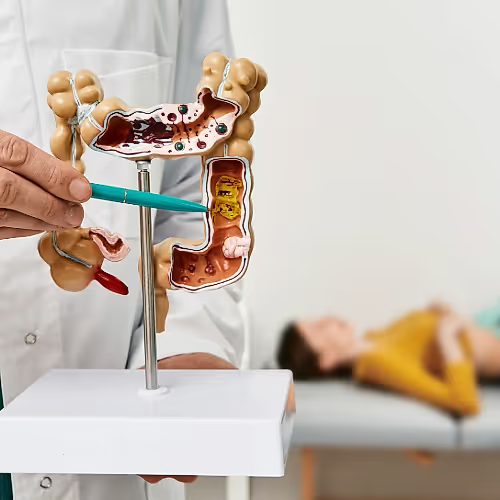

Are symptoms making daily life difficult?
Crohn’s Disease can cause unpredictable symptoms that disrupt routines and lower energy. Flare-ups often lead to discomfort, fatigue, and nutrient loss. Many people need ongoing support to maintain stability and feel their best.
Find Balance and Support for Wellness
Targeted IV support options.
Crohn’s Disease often requires a thoughtful approach to address both nutrient depletion and immune system balance. The DRIPBaR offers IV therapies that deliver hydration and essential nutrients directly into the bloodstream, helping to restore what is lost during digestive inflammation. These therapies may help reduce fatigue, support tissue repair, and promote overall resilience. Regular IV support can also help maintain comfort and energy during remission periods.
At The DRIPBaR South Miami, clients can access integrative IV therapies tailored to their needs. Our services focus on addressing challenges like malabsorption and chronic fatigue while providing a welcoming, supportive environment. Licensed providers oversee each session to ensure safety and comfort. Book your appointment today to explore how IV therapy can support your Crohn’s Disease management.
Did you know?
Crohn’s Disease can lead to deep inflammation in the digestive tract, sometimes causing complications like strictures or fistulas.
Understanding Crohn's Disease Basics
Crohn’s Disease is a chronic inflammatory condition that affects the gastrointestinal tract, most commonly the end of the small intestine and the beginning of the colon. It is marked by periods of flare-ups and remission, with symptoms like abdominal pain, diarrhea, fatigue, and weight loss. The inflammation can penetrate deep into the bowel wall, leading to complications such as strictures, fistulas, and abscesses. This ongoing inflammation may impair nutrient absorption and contribute to systemic deficiencies.
The exact cause of Crohn’s Disease is not fully understood, but it likely involves genetic, environmental, and immune factors. Common triggers include stress, certain foods, infections, and smoking. Management often requires a combination of medication, nutritional support, and sometimes surgery. Monitoring symptoms and working closely with your healthcare team can help reduce flare-ups and maintain quality of life.
Common Symptoms of Crohn's Disease
Symptoms of Crohn’s Disease can vary widely, but abdominal pain and cramping are among the most common complaints. Many individuals experience persistent diarrhea, which may be accompanied by blood or mucus. Fatigue and unintended weight loss are also frequent, often resulting from nutrient malabsorption and chronic inflammation. Some people notice that symptoms worsen during periods of stress or after eating certain foods.
In addition to digestive symptoms, Crohn’s Disease can cause extraintestinal issues such as joint pain, skin rashes, and eye inflammation. These complications may develop gradually or appear suddenly during a flare-up. Children and adolescents with Crohn’s may experience delayed growth or puberty due to ongoing nutrient deficiencies. The severity and frequency of symptoms can differ greatly from person to person.
Flare-ups may be triggered by infections, medication changes, or dietary factors, leading to a sudden increase in symptoms. During remission, many people feel well but may still struggle with fatigue or mild digestive discomfort. Monitoring for signs of dehydration, anemia, or worsening pain is important for timely intervention. Regular follow-up with your healthcare provider helps ensure that symptoms are managed effectively.
Traditional Treatments
Conventional care for Crohn's Disease typically involves medications to reduce inflammation and control the immune response. These may include corticosteroids, immunosuppressants, biologics, and antibiotics, depending on the severity and location of the disease. Nutritional therapy is often recommended to address deficiencies and support recovery, especially during flare-ups. In some cases, surgery may be necessary to remove damaged sections of the intestine or address complications. Supportive care focuses on managing symptoms, maintaining hydration, and avoiding complications like malnutrition or dehydration. Regular monitoring of blood counts and nutrient levels helps guide adjustments in therapy. Many people benefit from a multidisciplinary approach, working with gastroenterologists, dietitians, and licensed providers. Individualized care plans are essential, as responses to treatment can vary widely.
How IV Therapy May Help
IV therapy at The DRIPBaR is designed to deliver hydration and essential nutrients directly into the bloodstream, which can be especially helpful for those with absorption challenges. This approach allows for targeted support of energy levels, immune balance, and tissue repair, all under the supervision of licensed providers. By focusing on replenishing what is lost during flare-ups or periods of fatigue, IV therapy can help clients feel more resilient and comfortable. The process is tailored to individual needs, with careful attention to safety and overall wellness. Our services complement traditional care by offering an additional layer of support for those managing chronic digestive conditions. While IV therapy is not a replacement for medical treatment, it may help bridge nutritional gaps and promote recovery. Clients often appreciate the convenience and immediacy of this approach, especially during times of increased stress or symptom flare. Choosing IV therapy as part of your wellness plan can support your journey toward better health and stability.
IV Support for Digestive Health Needs
Specialized IV therapies can help replenish nutrients and support hydration for those managing digestive inflammation. These offerings are designed to promote recovery and maintain energy. Regular support may help clients feel more balanced.
Pre/Post-Op
Pre/Post-Op is an intravenous therapy designed to support the body’s needs before and after physical stress or procedures. It delivers essential nutrients such as Vitamin C, Magnesium, and Zinc directly into the bloodstream for rapid absorption. This approach helps reduce oxidative stress, supports immune function, and promotes tissue repair. It also aids in restoring energy and mood balance. The therapy is suitable for a variety of individuals seeking to enhance their recovery and overall wellness. It provides targeted support to aid recovery and reduce downtime. This treatment is part of a comprehensive wellness strategy focused on cellular health.
Read moreRestoration
Restoration delivers hydration and key nutrients directly into the bloodstream to support cellular energy and immune function. Ingredients such as Magnesium, Calcium, and Vitamin C help replenish electrolytes and antioxidants. This infusion aids in reducing fatigue and promoting muscle relaxation. It is designed for those seeking to improve overall wellness and recovery. Restoration supports mental clarity and physical balance through targeted nutrient replenishment.
HIGHLY recommend this place. super friendly and accommodating staff, very clean all the way around, has the best seats everrrr and they have all the IV bags and add ons you could ever want! def check this place out(:
Amazing customer service. Very helpful and nice. The process was super easy and quick. The products are wonderful.
Read more
Ready to Get Started?
Feel your best with a treatment designed to support your goals! Whether you’re looking for hydration, energy, immune support, recovery, or overall wellness, our team will help you choose the right option and make sure your experience is comfortable from start to finish. Click the Book Appointment button below to pick your reserve a time that fits your schedule.
What at-home practices can help ease Crohn's Disease symptoms?
Simple at-home practices such as eating a balanced diet, staying hydrated, and managing stress can help ease Crohn’s Disease symptoms. Gentle exercise and adequate rest also support overall wellness. Tracking symptoms and avoiding known triggers may reduce flare-ups. Always consult your healthcare provider before making significant changes to your routine.
Why does proactive care make Crohn's Disease support more effective?
Proactive care allows for early identification and management of symptoms, which can make Crohn’s Disease support more effective. Regular monitoring helps address nutrient deficiencies and dehydration before they worsen. This approach may reduce the frequency and severity of flare-ups. Working closely with your healthcare provider ensures your plan stays up to date.
How can care for Crohn's Disease be coordinated across providers?
Coordinating care for Crohn’s Disease involves communication between your gastroenterologist, dietitian, and licensed providers. Sharing information about symptoms, medications, and therapies ensures everyone is informed. This team approach helps tailor your care to your needs. Regular updates and check-ins keep your plan effective.
What environmental factors can affect Crohn's Disease outcomes?
Environmental factors such as stress, diet, infections, and smoking can affect Crohn’s Disease outcomes. Changes in routine or exposure to new foods may trigger symptoms. Being aware of these influences helps with prevention and management. Adjusting your environment and habits can support better health.