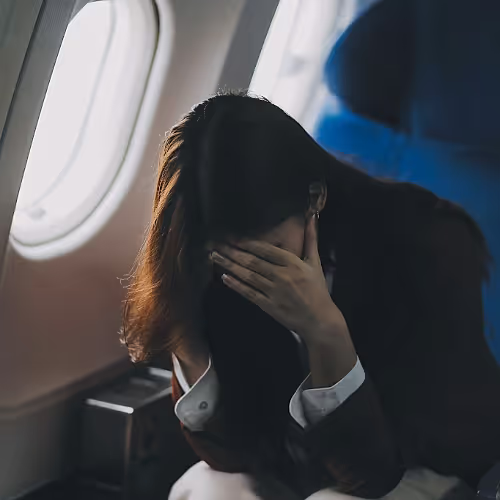

Feeling off after crossing time zones?
After a long journey, your body’s rhythm can feel completely out of sync, making it tough to function at your best. Symptoms like tiredness and mental fog are common, but how you recover may differ from others. Paying attention to your body’s needs and adjusting your routine can help you bounce back more smoothly.
Find Your Rhythm After Travel
Support for smoother adjustment.
When you travel across time zones, your body’s internal clock can struggle to keep up, leading to fatigue and disrupted sleep. The DRIPBaR South Miami offers IV therapies that help restore hydration, replenish nutrients, and support your natural circadian rhythm. These services are designed to ease symptoms like brain fog and irritability, helping you feel more balanced after travel. By targeting the root causes of jet lag, you can return to your routine with greater clarity and energy.
Many travelers benefit from a proactive approach to recovery, making the transition to a new environment less stressful. At The DRIPBaR South Miami, you’ll find options that help your body adapt to time zone changes and recover from travel-related fatigue. Licensed providers provide care in a comfortable setting, prioritizing your safety and wellness. Book your appointment today to support your recovery and feel your best after your journey.
Did you know?
Traveling eastward often causes more severe jet lag symptoms than traveling westward due to circadian rhythm shifts.
Understanding jet lag and recovery
Jet lag is a short-term condition that arises when your internal clock is thrown off by traveling quickly across several time zones. This internal rhythm controls sleep, hormone cycles, and digestion, so disruption can lead to tiredness, insomnia, and mood changes. The number of time zones crossed, direction of travel, and individual adaptation all influence how jet lag is experienced. Some people recover quickly, while others may struggle for several days.
Common triggers include dehydration, inactivity during flights, and irregular meal times. Managing jet lag often involves adjusting your sleep schedule, seeking sunlight, and staying hydrated. Individual responses vary, so it’s important to pay attention to your own symptoms and recovery pace. Responsible management includes gradual adjustment and using supportive strategies that fit your needs.
Common Symptoms of Jet Lag
Many expect to feel refreshed after travel, but jet lag often brings persistent tiredness and difficulty focusing. Sleep can be disrupted, with trouble falling asleep or waking up too early, making it hard to adjust to a new schedule. Mood changes, such as irritability or feeling down, are also common. Digestive discomfort and reduced physical stamina may occur, especially after long flights.
The severity of symptoms depends on how many time zones you cross and whether you travel east or west. Traveling eastward often leads to more pronounced effects, as your body must advance its internal clock. Dehydration and disrupted meal schedules can make symptoms worse. Recognizing these patterns helps you plan for a smoother recovery.
Most symptoms resolve within a few days, but the process can be unpredictable and uncomfortable. Healthy routines and targeted support can ease the transition. Monitoring your body’s response and making gradual changes often lead to better outcomes. If symptoms persist, consulting a healthcare professional is recommended.
Traditional Treatments
Traditional management of jet lag includes shifting your sleep schedule before travel and seeking natural light exposure at your destination. Melatonin supplements are sometimes used to help reset your internal clock, though results can vary. Staying hydrated, eating balanced meals, and avoiding excessive caffeine or alcohol are also recommended. These steps support your body’s natural ability to adapt to new time zones. Other supportive measures include gentle exercise and relaxation techniques to promote better sleep and reduce stress. IV nutrient therapy is an option that delivers hydration, vitamins, and antioxidants directly into the bloodstream for faster absorption. While these approaches can be helpful, individual results differ, so it’s important to choose what fits your needs. Consulting a healthcare provider can help if symptoms are severe or persistent.
How IV Therapy May Help
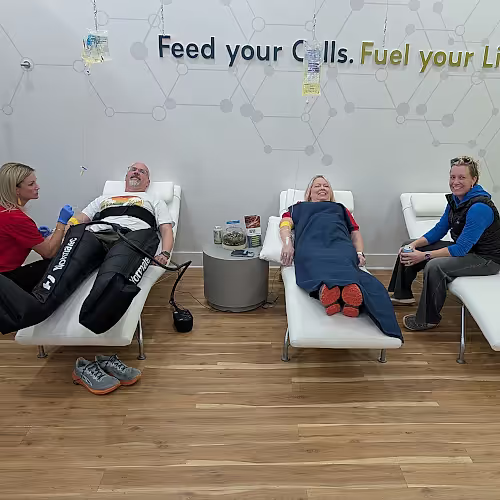
IV therapy at The DRIPBaR provides a direct way to replenish fluids, vitamins, and minerals that may be depleted during travel. This approach supports your body’s natural recovery processes, helping to reduce fatigue and restore mental clarity. By delivering nutrients directly into the bloodstream, IV therapy can offer faster absorption compared to oral supplements. Licensed providers oversee each session to ensure safety and comfort. Our services are designed to help you adjust to new time zones and recover from the stress of long flights. Regular support can strengthen your immune system and promote better sleep quality. Many clients find that this targeted approach helps them return to their routines more quickly. If you’re seeking a proactive way to manage jet lag, consider exploring the benefits of IV therapy.
IV Support for Travel Recovery
Specialized IV therapies can help restore hydration, balance nutrients, and support your body’s adjustment after travel. These offerings are tailored to reduce fatigue and promote mental clarity. Many travelers find this approach helps them feel refreshed and ready to resume daily activities.
Allstar
Allstar is formulated to deliver essential nutrients directly into the bloodstream for rapid absorption and effect. It combines vitamins, minerals, and amino acids to support physical endurance, muscle recovery, and mental focus. Ingredients such as Methylcobalamin and Taurine contribute to neurological health and electrolyte balance. This infusion helps replenish nutrient stores depleted by stress or exertion. It supports immune function and cellular repair, promoting overall wellness. Suitable for active individuals and those seeking enhanced vitality, Allstar offers comprehensive support for demanding lifestyles.
HIGHLY recommend this place. super friendly and accommodating staff, very clean all the way around, has the best seats everrrr and they have all the IV bags and add ons you could ever want! def check this place out(:
Amazing customer service. Very helpful and nice. The process was super easy and quick. The products are wonderful.
Ready to Get Started?
Feel your best with a treatment designed to support your goals! Whether you’re looking for hydration, energy, immune support, recovery, or overall wellness, our team will help you choose the right option and make sure your experience is comfortable from start to finish. Click the Book Appointment button below to pick your reserve a time that fits your schedule.