
Is your recovery taking longer than expected?
After surgery, the body’s recovery process can be slowed by fatigue, swelling, or low energy. These challenges often stem from increased nutrient and hydration needs. Supporting your body with the right resources may help you recover more comfortably and efficiently.
Restore Strength and Support Recovery
Personalized recovery support.
IV therapy at The DRIPBaR delivers hydration, antioxidants, and essential nutrients to help your body repair tissue and manage inflammation after surgery. This approach can support immune defenses, reduce fatigue, and ease discomfort during the critical recovery period. By replenishing vitamins and minerals directly, you may experience improved energy and a more comfortable recovery process. These benefits are especially helpful for those with higher nutritional needs or slower natural recovery.
The DRIPBaR South Miami offers recovery services designed to complement your care plan and help you return to daily activities with confidence. Licensed providers oversee each session, ensuring safety and a personalized experience. If you’re seeking to support your body’s natural recovery, consider scheduling a session. Book your appointment today to take the next step in your recovery.
Did you know?
Proper hydration and nutrient intake can significantly influence the speed and quality of post-surgery recovery.
Understanding Post-Surgery Recovery
After a surgical procedure, your body enters a phase focused on recovery and restoring normal function. This process involves repairing tissues, managing inflammation, and replenishing fluids and nutrients lost during surgery. Immune activity increases to protect against infection, while energy demands rise to support tissue regeneration. Vitamin C is especially important for collagen production, which aids wound repair.
Delayed recovery can be triggered by dehydration, poor nutrition, or underlying health conditions. Managing these factors through rest, balanced nutrition, and supportive therapies can help support recovery. Monitoring symptoms such as fatigue, swelling, and discomfort allows for timely adjustments in care. Responsible management includes following medical advice and seeking additional support when needed.
Common Symptoms of Slow Recovery
Fatigue is a frequent concern after surgery, often resulting from the body’s increased energy needs during recovery. Many people notice reduced stamina, muscle weakness, or a general sense of tiredness that can last for days or weeks. Swelling and mild discomfort are also common as tissues repair and inflammation subsides. These symptoms may fluctuate based on activity level and overall health.
Nausea and changes in appetite sometimes occur, especially in the early days after a procedure. This can make it challenging to maintain proper nutrition and hydration, which are essential for recovery. Some individuals experience difficulty sleeping or restlessness, which may further impact energy levels. Monitoring these symptoms helps guide supportive care and adjustments.
Reduced mobility, stiffness, and occasional soreness are typical as the body recovers. Gentle movement and physical therapy can help restore function and flexibility over time. It’s important to watch for signs of infection, such as redness or fever, and to seek medical attention if these arise. Most symptoms gradually improve with time and appropriate care.
Traditional Treatments
Standard post-surgery recovery typically includes rest, prescribed medications, wound care, and physical therapy. These approaches are designed to reduce pain, avoid infection, and encourage tissue repair. Your healthcare provider may also recommend specific exercises or mobility routines to restore function. Each person’s recovery plan is tailored to their unique needs and the type of surgery performed. Additional supportive measures, such as proper hydration and balanced nutrition, play a key role in recovery. Some individuals may benefit from targeted nutrient support, especially if appetite is low or recovery is slow. It’s important to follow your provider’s instructions and attend all scheduled follow-up appointments. Combining traditional care with supportive therapies can help optimize your recovery experience.
How IV Therapy May Help
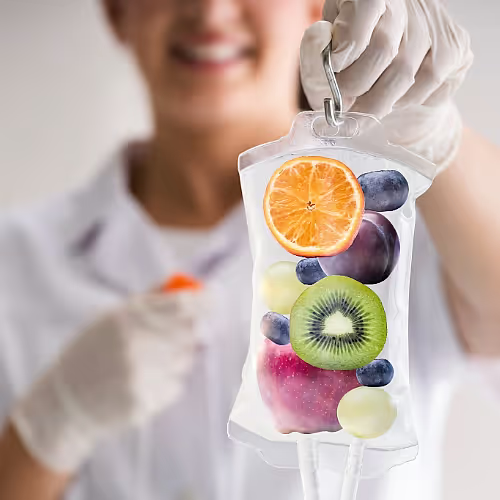
IV therapy at The DRIPBaR delivers hydration, vitamins, minerals, and antioxidants directly into your bloodstream, supporting your body’s natural recovery processes. This method allows for rapid absorption and can help replenish nutrients lost during surgery or periods of low appetite. By targeting specific needs, IV therapy may help reduce inflammation, support immune function, and promote tissue repair. All services are provided under the supervision of licensed providers to ensure safety and comfort. While traditional recovery methods remain essential, adding IV nutrient support can complement your overall plan. The DRIPBaR’s offerings are designed to address common challenges such as fatigue, discomfort, and slow recovery. Personalized care helps you feel more confident as you recover. Discuss your options with your healthcare provider to determine if this supportive approach is right for you.
Supportive Options for Recovery Needs
A variety of wellness services can help address the unique challenges of post-surgery recovery. These offerings focus on hydration, nutrient replenishment, and immune support. Choosing the right approach may help you feel stronger and more comfortable during recovery.
Hyperbaric Chambers
Hyperbaric Chambers use pressurized oxygen to increase the amount of oxygen dissolved in blood plasma, which supports faster tissue repair and reduces inflammation. This therapy enhances cellular energy production and helps balance immune function. Sessions typically last between 60 and 90 minutes and are conducted under professional supervision. Clients often experience relaxation and improved mental clarity after treatment. Benefits may accumulate with repeated sessions as part of a wellness routine. This approach complements other therapies aimed at recovery and vitality.
Read morePre/Post-Op
Pre/Post-Op is an intravenous therapy designed to support the body’s needs before and after physical stress or procedures. It delivers essential nutrients such as Vitamin C, Magnesium, and Zinc directly into the bloodstream for rapid absorption. This approach helps reduce oxidative stress, supports immune function, and promotes tissue repair. It also aids in restoring energy and mood balance. The therapy is suitable for a variety of individuals seeking to enhance their recovery and overall wellness. It provides targeted support to aid recovery and reduce downtime. This treatment is part of a comprehensive wellness strategy focused on cellular health.
Read moreRed Light Therapy
Red Light Therapy delivers specific wavelengths of red and near-infrared light to the skin and underlying tissues. This process stimulates mitochondrial function, which can enhance cellular energy production and promote tissue repair. The therapy may also help modulate inflammation and improve circulation. Sessions are typically 10 to 20 minutes long and require no downtime. It is often used alongside other wellness treatments to support recovery and resilience. The treatment is non-invasive and designed for comfort. Regular sessions may contribute to improved skin tone and tissue quality over time.
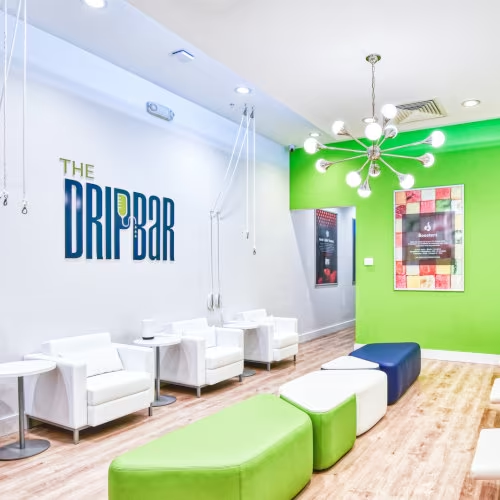
HIGHLY recommend this place. super friendly and accommodating staff, very clean all the way around, has the best seats everrrr and they have all the IV bags and add ons you could ever want! def check this place out(:
Amazing customer service. Very helpful and nice. The process was super easy and quick. The products are wonderful.
Read more
Ready to Get Started?
Feel your best with a treatment designed to support your goals! Whether you’re looking for hydration, energy, immune support, recovery, or overall wellness, our team will help you choose the right option and make sure your experience is comfortable from start to finish. Click the Book Appointment button below to pick your reserve a time that fits your schedule.