
Are your symptoms lasting too long?
Cold and flu symptoms can linger, making it hard to return to your normal routine. Persistent fatigue, congestion, and body aches may slow your recovery. Early support and careful monitoring can help you regain comfort and energy.
Restore Comfort and Boost Recovery
Targeted support for symptoms.
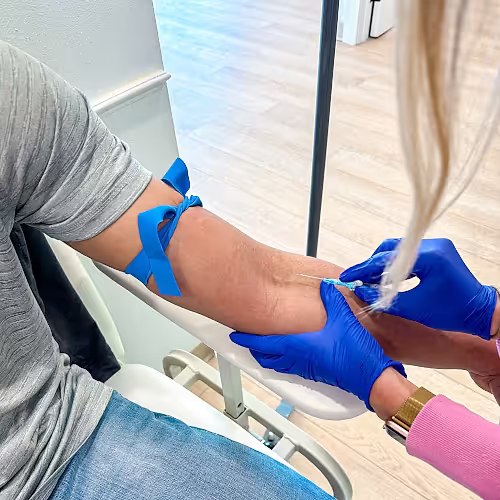
The DRIPBaR offers IV therapies that deliver hydration, vitamins, and antioxidants directly into your bloodstream to help your body manage cold and flu symptoms. These infusions are designed to support immune function, ease congestion, and reduce fatigue, helping you feel more like yourself. By replenishing key nutrients such as vitamin C and zinc, IV therapy can provide relief and promote a smoother recovery process. This approach is especially beneficial during peak cold and flu season or when symptoms are slow to resolve.
If you are seeking ways to recover more comfortably, The DRIPBaR South Miami provides options that may help you return to your daily activities sooner. Our team is available to answer your questions and help you select the right support for your needs. Book an appointment today to explore how IV therapy can fit into your recovery plan. Take the next step toward feeling better and restoring your energy.
Did you know?
Colds and flu are most contagious in the first three days after symptoms begin, so early care is important.
Understanding Cold and Flu Symptoms
While many expect colds and flu to be similar, the reality is that these viral respiratory illnesses differ in how quickly symptoms appear and their intensity. The common cold usually starts gradually with mild issues like a runny nose, sore throat, and slight fatigue, while the flu often comes on suddenly with high fever, chills, and pronounced tiredness. Both are spread through respiratory droplets and can be picked up from surfaces, making them easy to contract in crowded environments. The immune system’s response to these viruses causes inflammation, congestion, and fatigue as it works to fight off infection.
Common triggers include close contact with sick individuals, touching contaminated surfaces, and weakened immune defenses during peak seasons. Managing these illnesses involves rest, hydration, and symptom relief, with some people seeking additional support through targeted therapies. Practical steps like frequent handwashing and immune support can help reduce your risk. Early intervention and supportive care may help shorten the duration and lessen the severity of symptoms.
Common Symptoms of Cold & Flu
Cold and flu often begin with a sore throat, runny or stuffy nose, and mild tiredness. As symptoms progress, you might notice coughing, sneezing, and increased fatigue, while the flu can also bring fever, chills, and stronger body aches. Some people experience headaches or sinus pressure, and lingering cough or brain fog may persist after the worst symptoms fade. High-risk groups, such as children and older adults, may have more severe or lasting symptoms.
Flu symptoms tend to appear suddenly and are more intense than those of a cold, with high fever, chills, muscle aches, and significant tiredness. A dry cough, headache, and sometimes nausea can also occur, making it difficult to keep up with daily responsibilities. Both conditions can cause congestion and trouble sleeping, especially if recovery is slow or complications arise. Monitoring for signs of worsening, like difficulty breathing or persistent high fever, is important.
Symptoms can vary in duration and severity, with colds typically being milder and resolving within a week, while the flu may leave you feeling weak for several days or even weeks. Lingering effects such as cough or tiredness are not uncommon, especially in those with weakened immune systems. Magnesium may help ease muscle aches and support nervous system recovery. If symptoms persist or worsen, seeking medical advice is recommended.
Traditional Treatments
Standard care for colds and flu focuses on relieving symptoms and helping the body recover naturally. This often includes rest, drinking plenty of fluids, and using over-the-counter medications to manage fever, congestion, or discomfort. Antiviral medications may be prescribed for certain flu cases, especially if started early and for those at higher risk of complications. Most people recover at home without complications, but monitoring symptoms is important. Additional supportive measures can include humidifiers, saline nasal sprays, and throat lozenges to ease discomfort. Preventive strategies like handwashing and avoiding close contact with others help reduce the spread of these viruses. Integrative approaches, such as IV nutrient therapy, are sometimes used to provide hydration and replenish vitamins and minerals. Consulting a healthcare provider is important before starting any new treatment, especially for those with underlying health conditions.
How IV Therapy May Help
IV therapy at The DRIPBaR offers a way to deliver hydration, vitamins, and antioxidants directly into your bloodstream, supporting your immune system during cold and flu recovery. This approach allows for rapid absorption of nutrients that may help reduce fatigue, ease congestion, and promote overall comfort. Sessions are supervised by licensed providers and tailored to your needs, providing a gentle complement to traditional care. Many people appreciate the convenience and individualized attention that comes with this supportive method. Incorporating IV therapy into your wellness routine can be especially beneficial during times of increased exposure or when symptoms linger. While it does not replace standard medical care, it may help address hydration and nutrient needs during illness. Each session is designed with your well-being in mind, and adjustments can be made based on your response and preferences. Always consult your healthcare provider before starting new therapies, especially if you have underlying health conditions.
IV Support for Immune Recovery
Specialized IV therapies can provide hydration and nutrients that support your immune system during cold and flu recovery. These offerings are designed to help reduce inflammation, restore energy, and support recovery. Integrative support may be especially helpful for those seeking additional wellness options.
Allergy
Allergy therapy delivers key nutrients like Ascorbic Acid, NAC, Magnesium, and Zinc directly into the bloodstream for rapid support. This approach helps reduce inflammation and oxidative stress while promoting tissue repair. It supports balanced immune function and respiratory comfort. Regular treatments may enhance energy and mental clarity. Individual responses vary, so monitoring and professional guidance are recommended.
Read moreFlu Fighter
Flu Fighter is an intravenous therapy designed to deliver essential nutrients and hydration directly to the bloodstream. It includes Vitamin C, Magnesium, and Zinc, which support immune function and reduce oxidative stress. This infusion aids in tissue repair and energy restoration. It is suitable for individuals seeking to enhance recovery and maintain wellness. The therapy bypasses digestive absorption for faster, more effective nutrient delivery. It is a supportive option during periods of physical stress or illness. This approach helps promote overall resilience and balance.
Read moreMaternal Wellness
Maternal Wellness delivers essential vitamins such as Ascorbic Acid, B-Complex, and Folic Acid through IV therapy to support mothers during pregnancy and postpartum. This infusion promotes energy, tissue repair, and immune system balance. It helps address fatigue and supports emotional stability. The therapy is designed to complement prenatal care and a healthy lifestyle. It provides a direct nutrient boost for faster absorption and effectiveness. This approach supports both immediate wellness needs and long-term maternal health.
HIGHLY recommend this place. super friendly and accommodating staff, very clean all the way around, has the best seats everrrr and they have all the IV bags and add ons you could ever want! def check this place out(:
Amazing customer service. Very helpful and nice. The process was super easy and quick. The products are wonderful.
Read more
Ready to Get Started?
Feel your best with a treatment designed to support your goals! Whether you’re looking for hydration, energy, immune support, recovery, or overall wellness, our team will help you choose the right option and make sure your experience is comfortable from start to finish. Click the Book Appointment button below to pick your reserve a time that fits your schedule.
What daily habits make Cold & Flu support more effective?
Consistent hydration, balanced nutrition, and adequate rest are key daily habits for effective support. Practicing good hand hygiene and managing stress can further strengthen your immune system. Regular gentle activity, when tolerated, may also aid recovery. These habits work together to help your body recover.
How does community support benefit those starting Cold & Flu care?
Community support can provide encouragement and accountability during recovery from cold and flu. Sharing experiences with others may help reduce feelings of isolation and boost motivation. Support groups or family involvement can make it easier to stick to healthy routines. This sense of connection often leads to a more positive recovery experience.
What should a weekly self-care checklist for Cold & Flu include?
A weekly self-care checklist for cold and flu should include rest, hydration, balanced meals, and symptom monitoring. Scheduling time for gentle activity and relaxation can also support recovery. Tracking your progress helps you notice improvements or setbacks. Adjust your routine as needed based on how you feel.
How can I prepare for sudden changes in Cold & Flu symptoms?
Preparing for sudden changes involves keeping hydration supplies and symptom relief options on hand. Monitoring your symptoms daily helps you respond quickly if they worsen. Having a plan for rest and support can make transitions easier. Consult your healthcare provider if symptoms become severe or persistent.