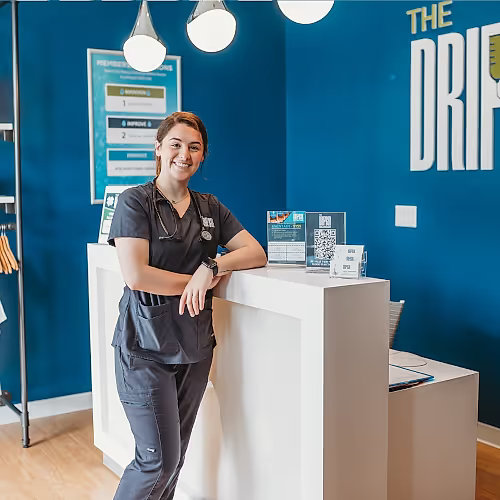

Many clients from South Reno appreciate how a structured nutrition plan can fit into their busy routines, especially when starting a new wellness program. For those using a GLP-1 diet plan, focusing on protein, meal timing, and hydration can help support comfort and results. The right approach is not about eating less, but about eating smarter. Building reliable habits around meals and fluids can make a noticeable difference in daily energy. This is especially important when appetite is lower than usual. Personalized support from wellness professionals can help tailor these strategies to individual needs.
Semaglutide diet plan fundamentals
Semaglutide and Tirzepatide are prescription medications that may help regulate appetite and support metabolic health. These therapies are most effective when paired with a thoughtful nutrition plan. Protein intake is a key focus, as it helps preserve muscle and maintain energy during periods of reduced appetite. Smaller, balanced meals spaced throughout the day can improve comfort and consistency. Hydration is equally important, with steady fluid intake supporting digestion and energy. Individual results vary, so it is important to adjust strategies based on personal experience and professional guidance.
Protein intake on GLP-1
Prioritizing protein is essential for those on GLP-1 medications. Aiming for 25 to 40 grams of protein at each meal helps support muscle and satiety. Spreading protein across the day is often easier to tolerate than large portions at once. Lean sources like chicken, fish, eggs, or Greek yogurt are commonly used.
Semaglutide diet plan: practical tips
Many people find that early fullness makes it challenging to reach protein targets. Using softer or easier-to-digest protein sources, such as yogurt or smoothies, can help during the first weeks of therapy. Building a list of three go-to high-protein meals provides structure on days when motivation is low. Taking protein bites first at each meal ensures that the most important nutrient is not missed. For those who experience nausea, gentle foods and smaller portions are often more tolerable. Protein shakes or ready-to-drink options can bridge gaps when appetite is minimal. Consistency with these habits supports muscle preservation and overall progress.
Meal timing is another crucial element of a successful GLP-1 nutrition plan. Eating by a set structure, rather than waiting for extreme hunger, helps you avoid fatigue and digestive discomfort. Many people do well with three small meals or two meals plus protein snacks. Micro-meals with gentle foods are helpful during dose increases or when nausea is present. Adjusting timing and portion sizes based on symptoms can improve tolerability. The goal is to maintain steady energy and avoid the pitfalls of random snacking.
GLP-1 meal plan for daily life
A balanced GLP-1 meal includes a protein anchor, fiber-rich vegetables or fruit, and moderate portions of smart carbohydrates and fats. Breakfast options like Greek yogurt with berries or scrambled eggs with spinach are popular choices. Lunch might feature a chicken salad or a tuna bowl with a small serving of rice. For dinner, lean fish with roasted vegetables or a tofu stir-fry can provide both nutrients and comfort. Snacks that support protein targets include cottage cheese, protein shakes, or edamame. These meal ideas are designed to fit smaller appetites while delivering essential nutrition.
Hydration is often overlooked but plays a vital role in digestive comfort and energy levels. Many adults benefit from aiming for two to three liters of fluids daily, adjusting for activity and climate. Setting hydration checkpoints throughout the day can help maintain consistency. Pairing each caffeinated drink with a glass of water is a simple habit that supports regular hydration. Electrolyte packets or flavored water may be useful when plain water is unappealing. Personalized hydration strategies should always consider any medical conditions or restrictions.
Electrolytes can be especially helpful during travel, after workouts, or when constipation is an issue. Sodium, potassium, and magnesium support fluid balance and muscle function. People with kidney or heart concerns should consult a professional before adding electrolyte products.
Hydration tips on semaglutide
On Semaglutide or Tirzepatide, thirst cues can be less noticeable, making steady hydration a daily priority. Using a visible water bottle and setting reminders helps many people stay on track. The GLP-1 diet plan encourages pairing caffeine with water to reduce headaches and support digestion. Hydration checkpoints, such as drinking water before meals and between activities, may help you avoid energy dips. Flavored water or herbal teas offer variety for those who struggle with plain water. Consistent fluid intake also supports constipation prevention. Adjusting hydration habits based on symptoms and lifestyle is key for long-term comfort.
Constipation is a common side effect of GLP-1 medications, but a prevention plan can help. Focus first on fluids, then gradually add fiber-rich foods like berries, oats, and vegetables. Daily movement, such as walking, also supports digestive regularity.
Nausea can occur during the first weeks or after dose increases. Smaller, slower meals with gentle foods like yogurt, soups, or eggs are often easier to tolerate. Avoiding greasy or very rich foods may reduce discomfort. Keeping a list of safe meals for rough days is a practical strategy. Hydrating in small sips, rather than large amounts at once, can also help. If nausea persists or worsens, it is important to consult a wellness specialist.
GLP-1 constipation prevention plan
A three-part approach supports digestive comfort: steady fluids, gradual fiber increases, and daily movement. Adding one fiber food per day, such as beans or chia seeds, can be effective. Pairing fiber with hydration helps you avoid bloating. Walking is a simple way to encourage gut motility.
- Protein anchors: Aim for 25 to 40 grams per meal.
- Hydration checkpoints: Drink water before and between meals.
- Meal timing: Use structure, not hunger, to guide eating.
- Gentle foods: Choose yogurt, soups, or eggs on nausea days.
- Electrolyte support: Use as needed for fluid balance.
- Fiber ramp: Add fiber gradually to help avoid discomfort.
- Movement matters: Walk daily to support digestion.
Protein-first meal ideas
Building a list of reliable, high-protein meals makes daily planning easier. Greek yogurt bowls, scrambled eggs with vegetables, and protein smoothies are quick breakfast options. Lunches like chicken salad or lentil soup with added protein are both filling and manageable. For dinner, try lean fish with roasted vegetables or a tofu stir-fry.
Snacks that help meet protein goals include cottage cheese, protein shakes, or edamame. Keeping these staples on hand supports consistency. Small, frequent meals can help maintain energy and comfort.
Meal timing around injection day may require extra attention. Some people feel more sensitive to side effects on the day of their weekly injection. Keeping meals smaller and simpler, prioritizing hydration, and avoiding new foods can improve tolerability. The day after injection, focus on hydration and gentle fiber if constipation is present. Adjusting routines based on personal patterns can make the process smoother.
Carbohydrates play a role in energy stability, especially for those who are active. Choose smart carbs like oats, potatoes, or fruit in moderate portions. Pairing carbs with protein helps maintain balance and help avoid energy crashes. Adjust carb intake based on activity level and how your body responds.
GLP-1 constipation prevention and comfort tips
Clients in South Reno often mention that a short drive to a supportive wellness environment makes it easier to stay consistent with their nutrition and hydration routines. Addressing constipation early with fluids, gradual fiber increases, and daily movement may help you avoid discomfort. Wellness specialists can offer guidance on safe strategies, including when to consider additional support. If symptoms persist or become severe, it is important to seek professional advice.
Nausea and reflux are common concerns during the first weeks of GLP-1 therapy. Eating smaller, slower meals and avoiding heavy or spicy foods can reduce symptoms. Moving dinner earlier in the evening and sitting upright after meals may help you avoid reflux. Keeping a list of gentle, safe meals for rough days is a practical tool. Persistent nausea or reflux should be discussed with a wellness professional. Adjusting meal timing and food choices based on symptoms supports comfort and adherence.
Under-eating is a risk when appetite is low, leading to fatigue and muscle loss. Signs include persistent tiredness, trouble with daily activities, and feeling cold or irritable. A minimum structure of protein-forward meals and snacks helps you avoid random snacking patterns. Easy protein tools like shakes can bridge gaps on low appetite days. Regular check-ins with wellness staff support safe progress and symptom management.
Muscle preservation focus
Weight loss on GLP-1 medications can include both fat and lean mass. Preserving muscle is a top priority for long-term health and function. Distributing protein throughout the day, maintaining a basic strength training routine, and ensuring adequate overall intake are key pillars. Sleep and stress management also play a role in recovery and adherence. Adjusting workout intensity during early weeks, especially if nausea or fatigue is present, helps maintain consistency. Wellness coaches can help tailor routines to individual needs.
Progress tracking goes beyond the scale. Monitoring protein and hydration consistency, digestive comfort, and energy levels provides a fuller picture of success. Waist measurements or clothing fit can highlight positive changes even if weight fluctuates. Reviewing trends every few weeks helps guide adjustments.
Common mistakes include skipping meals, drinking too little water, and relying on low-protein snacks. Addressing these habits early supports better outcomes. Gradually increasing fiber, keeping protein staples available, and using hydration checkpoints are practical fixes. Scaling workouts as needed and focusing on sustainability help you avoid fatigue and setbacks. Contacting the wellness team for persistent issues ensures safe, effective support.
GLP-1 nutrition plan summary
A successful GLP-1 nutrition plan centers on protein targets, structured meal timing, and steady hydration. Smaller, balanced meals with lean protein and fiber-rich foods support muscle and digestive health. Hydration checkpoints and gradual fiber increases help you avoid constipation. Adjusting routines based on symptoms and lifestyle makes the plan sustainable. Regular support from wellness professionals can personalize strategies for comfort and results.
Meal planning templates simplify daily choices. A protein-first day includes high-protein options at each meal and snack. Nausea-friendly days focus on gentle foods and small portions. Constipation-support days emphasize hydration, fiber, and movement. Training days add moderate carbs for energy. Travel days rely on portable protein and hydration tools.
Keeping key groceries stocked supports consistency. Protein staples like Greek yogurt, eggs, and chicken are useful for quick meals. Fiber-rich foods such as berries, oats, and beans add variety and nutrition. Hydration tools like electrolyte packets and herbal teas help maintain fluid balance.
Restaurant and social eating can be managed with a few strategies. Scan menus for lean protein, order smaller portions, and eat slowly. Focus on conversation rather than plate size, and plan for leftovers if needed. Limiting alcohol may help reduce nausea and reflux. Confidence in making mindful choices grows with practice.
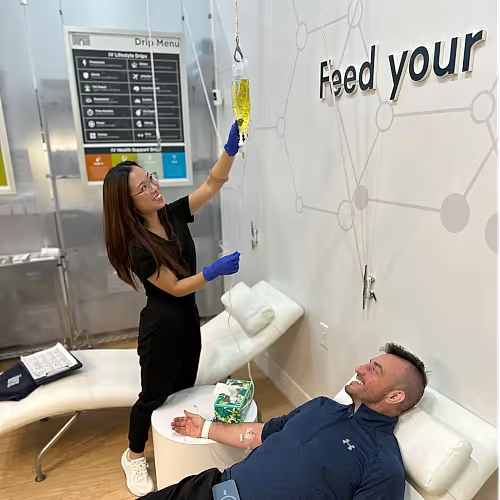
IV hydration is an optional support tool for those who struggle with consistent fluid intake. Oral hydration remains the foundation of a GLP-1 nutrition plan. Some clients choose IV support during travel-heavy months or when routines are disrupted. Licensed staff can help personalize hydration strategies. Individual suitability varies, so discuss options with a wellness professional.
GLP-1 progress tracking dashboard
Tracking progress helps clients focus on habits rather than just the scale. Weekly dashboards can include weight trends, waist measurements, and protein consistency. Hydration checkpoints, digestive comfort, and energy ratings provide additional insight. Monitoring sleep, movement, and alcohol frequency rounds out the picture. Reviewing these trends every few weeks supports informed adjustments. If progress stalls, reviewing protein and hydration habits is a good first step. Wellness coaches can help interpret trends and suggest changes.
A phase-based approach adapts nutrition strategies over time. Early weeks focus on tolerability and gentle foods. As symptoms improve, protein consistency and meal structure become priorities. Later phases emphasize plateau skills and maintenance. Personalizing the plan to fit changing needs supports long-term success.
Tirzepatide diet plan strategies
Tirzepatide, like Semaglutide, works best with a structured nutrition plan. Emphasize protein at each meal, use hydration checkpoints, and adjust meal timing based on appetite. Individual needs vary, so flexibility is important. Support from wellness professionals can help fine-tune the approach.
The GLP-1 diet plan is not about restriction, but about building habits that support energy, comfort, and muscle preservation. Using protein anchors, hydration routines, and structured meal timing helps many people feel their best. Consistency, rather than perfection, is the key to sustainable results. Adjusting the plan as needed ensures it fits real life.
If you are considering Semaglutide or Tirzepatide, a nutrition plan tailored to your needs can make a meaningful difference. Start by identifying your protein and hydration goals, then build meal routines that fit your schedule. Keep a list of safe, high-protein meals for days when appetite is low. Regular check-ins with wellness staff support ongoing progress. Remember that individual results vary and adjustments are part of the process.
GLP-1 meal planning tips
Plan meals around protein, fiber, and hydration to support daily energy and comfort. Use smaller plates to make portions feel satisfying without overeating. Keep protein staples and hydration tools visible and accessible. Adjust meal timing and content based on symptoms and activity. Track progress with a simple dashboard to stay motivated.
Travel and social events can disrupt routines, but portable protein snacks and hydration habits help maintain consistency. Scan menus for lean protein and order smaller portions when dining out. Focus on conversation and enjoyment rather than plate size. Planning ahead makes it easier to stick with your nutrition goals.
- Protein staples: Greek yogurt, eggs, chicken, tofu, and protein shakes.
- Fiber foods: Berries, oats, beans, and leafy greens for digestive support.
- Hydration tools: Water bottles, electrolyte packets, and herbal teas.
- Safe meal options: Yogurt bowls, soups, and rice with lean protein.
- Meal timing aids: Reminders and structured eating moments.
- Travel essentials: Portable protein snacks and hydration packets.
- Progress tracking: Weekly dashboard for habits and trends.
GLP-1 nutrition plan recap
A successful GLP-1 nutrition plan focuses on protein targets, structured meal timing, and steady hydration. Smaller, balanced meals with lean protein and fiber-rich foods support muscle and digestive health. Hydration checkpoints and gradual fiber increases help you avoid constipation. Adjusting routines based on symptoms and lifestyle makes the plan sustainable. Regular support from wellness professionals can personalize strategies for comfort and results.
Meal planning templates simplify daily choices. A protein-first day includes high-protein options at each meal and snack. Nausea-friendly days focus on gentle foods and small portions. Constipation-support days emphasize hydration, fiber, and movement. Training days add moderate carbs for energy. Travel days rely on portable protein and hydration tools.
If you are ready to start or adjust your GLP-1 nutrition plan, consider scheduling a visit to discuss your goals with a wellness specialist. Availability may be limited, so checking times that fit your calendar is recommended. Personalized support can help you build habits that last. Consistency and flexibility are key to long-term success. Reach out to learn more about how a structured nutrition plan can support your wellness journey.
Begin your GLP-1 nutrition journey today
Taking the first step toward a structured GLP-1 nutrition plan can make a real difference in your wellness journey. Focusing on protein, hydration, and meal timing supports comfort and sustainable results. Remember that individual needs vary, and adjustments are part of the process. Regular check-ins with wellness professionals help tailor your plan for ongoing success. If you are considering Semaglutide or Tirzepatide, now is a great time to explore your options. Flexible scheduling makes it easier to find a time that works for you. Start building habits that fit your life and support your goals.
Consistency is the foundation of any successful nutrition plan, especially when using GLP-1 therapies. By prioritizing protein, hydration, and structured meals, you can support muscle preservation, energy, and digestive comfort. The journey is unique for everyone, so be patient with yourself and make adjustments as needed. Wellness professionals are here to guide you through each phase. Consider reaching out to schedule a visit and take the next step toward your wellness goals.