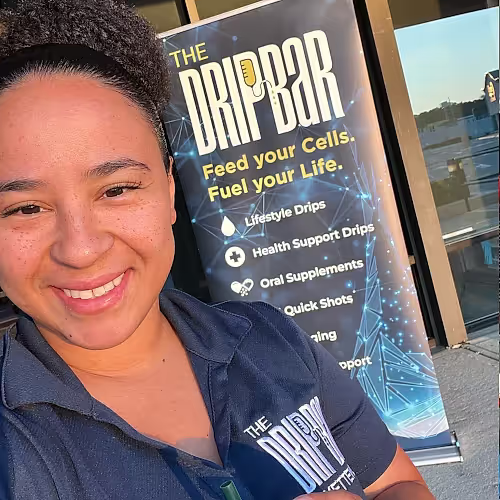

At The DRIPBaR South Reno, we see many clients who travel from nearby neighborhoods seeking ways to feel more energized and consistent in their routines. For those looking to optimize recovery, IV hydration for workout recovery is a popular choice, especially after demanding training blocks or busy weeks. Our licensed professionals focus on creating a comfortable, supportive environment where you can recharge and address your wellness goals. Whether you are returning to exercise, managing a packed schedule, or simply want to feel your best, our team is here to help guide your recovery plan. Every visit is tailored to your needs, making it easy to fit wellness into your lifestyle. Many guests appreciate the calm, restorative setting that helps them reset both body and mind.
Magnesium IV drip for athletes
Magnesium is an essential mineral that plays a central role in how your body recovers from physical activity. For athletes and active adults, magnesium supports normal muscle function, helps regulate nerve signals, and contributes to energy metabolism. When you sweat during intense workouts, you lose not only water but also key minerals like magnesium, which can impact how quickly you bounce back. IV magnesium drips are designed to deliver this mineral directly into your bloodstream, bypassing digestion and supporting rapid replenishment. Many people choose this option during high-demand training weeks or when they feel depleted. The goal is not to replace good nutrition or sleep, but to complement your recovery routine and help you feel more refreshed for your next session.
Post-workout IV recovery essentials
After a tough training session, your body needs more than just rest to recover fully. Hydration, electrolyte replenishment, and balanced nutrition all work together to restore what is lost and prepare you for the next challenge. Post-workout IV recovery can be a valuable tool for those who want to support muscle comfort, energy, and overall resilience. By delivering fluids and minerals like magnesium directly into the bloodstream, IV therapy helps address dehydration and mineral depletion quickly. This approach is especially helpful for athletes facing back-to-back training days or those who struggle to maintain consistent nutrition. It is one part of a broader recovery strategy that also includes sleep, smart programming, and stress management.
Electrolyte replenishment IV
Electrolytes are minerals that help regulate fluid balance, nerve function, and muscle contractions. During intense exercise, you lose electrolytes through sweat, which can leave you feeling drained or sluggish. An electrolyte replenishment IV can help restore these vital minerals, including magnesium, sodium, and potassium. This support may help you feel more balanced and ready for your next workout. It is a practical option for athletes who train hard or in hot conditions.
Magnesium is often highlighted in recovery routines because it supports muscle relaxation and normal nerve signaling. When included in an IV, magnesium works alongside other electrolytes to help your body recover from physical stress. This combination can be particularly useful after long runs, heavy lifts, or high-intensity sessions. By replenishing what is lost, you can help reduce the risk of feeling depleted or overly fatigued. Consistent recovery habits make a noticeable difference over time.
Muscle recovery IV therapy
Muscle recovery IV therapy is designed to support athletes and active adults who want to bounce back after demanding workouts. These infusions typically include a blend of fluids, electrolytes, and minerals like magnesium to help address post-exercise fatigue. By targeting hydration and mineral replenishment, this approach may help support normal muscle function and relaxation. Many people notice they feel more refreshed and ready for their next session after an IV recovery treatment. It is important to remember that IV therapy is not a substitute for proper nutrition, sleep, or balanced training. Instead, it serves as a supportive tool within a comprehensive recovery plan.
Athletes often ask about the best timing for muscle recovery support. IV therapy can be scheduled after particularly tough sessions, during competition weeks, or when you notice lingering soreness. The convenience of a quick session makes it easy to fit into busy routines. Always discuss your goals and recent training with your wellness specialist so they can tailor the experience to your needs. Consistency in recovery habits leads to better long-term results.
Some athletes prefer to combine IV therapy with other recovery strategies like mobility work, stretching, or gentle cardio. This holistic approach helps address both physical and mental fatigue. By layering different recovery tools, you can create a routine that supports your unique needs. Over time, these habits contribute to greater resilience and performance.
Athletic recovery drip
An athletic recovery drip is a targeted way to support hydration and mineral balance after intense activity. These infusions are popular among those who train frequently or face high physical demands. By including magnesium and other key electrolytes, the drip helps replenish what is lost through sweat. Many clients report feeling more balanced and less fatigued after their session. It is a practical option for anyone looking to enhance their recovery routine.
The benefits of an athletic recovery drip go beyond just hydration. Magnesium plays a role in supporting muscle comfort and nervous system balance, which can be especially valuable during periods of heavy training. When combined with rest, nutrition, and smart programming, this approach helps you maintain consistency and avoid burnout. Recovery is a multi-step process, and every input counts toward feeling your best.
Hydration and electrolytes for recovery
Hydration and electrolytes for recovery are often the foundation of any effective post-workout plan. IV hydration for workout recovery is designed to address both fluid and mineral needs, helping you feel more resilient after tough sessions. By restoring balance quickly, you can support your body’s natural adaptation processes. This approach is especially helpful for athletes who train in hot conditions or have demanding schedules.
Magnesium is just one piece of the recovery puzzle. Carbohydrates, protein, and sleep all play crucial roles in how well your body adapts to training. When you combine steady hydration with balanced meals and rest, you create the conditions for better performance and fewer setbacks. IV therapy can be a convenient way to fill in gaps, but it works best as part of a broader routine. Consistency is key to long-term progress.
Electrolyte therapy basics
Electrolyte therapy focuses on restoring minerals lost during exercise. Magnesium, sodium, and potassium each play unique roles in muscle and nerve function. Replenishing these can help you recover more comfortably.
Athletes who sweat heavily or train for long durations may need extra support to maintain electrolyte balance. IV therapy offers a direct way to address these needs, especially when oral intake is inconsistent. It is important to listen to your body and adjust your recovery plan as needed. Professional guidance can help you make informed choices.
Signs of magnesium need
Feeling unusually sore, fatigued, or experiencing muscle tightness after workouts may signal a need for better mineral support. Magnesium is often discussed for its role in muscle comfort and relaxation. Paying attention to these cues can help you adjust your recovery strategy.
Other signs that your recovery may need attention include poor sleep, headaches, or a drop in motivation. These symptoms can result from a combination of dehydration, mineral loss, and training stress. By tracking your sleep, soreness, and energy levels, you can identify patterns and make proactive changes. Adding magnesium-rich foods, staying hydrated, and prioritizing rest are practical steps. If you notice persistent issues, consider discussing your routine with a wellness professional. Early adjustments often lead to better outcomes.
Magnesium-rich foods are a simple way to support recovery. Leafy greens, nuts, seeds, beans, and whole grains all provide valuable minerals. Including these in your meals helps build a strong foundation for performance and resilience.
Oral magnesium supplements come in several forms, each with its own benefits. Magnesium glycinate is often chosen for relaxation, while citrate may support digestion. Consistency matters more than chasing a perfect form, and timing can be paired with evening routines if sleep is a goal. Always consider digestive tolerance, especially for endurance athletes. Professional guidance is recommended for individual needs.
IV magnesium is sometimes used during peak training blocks or travel weeks as a structured reset. Sessions are administered by licensed professionals with screening and monitoring. Many people report feeling relaxed and refreshed after their visit.
Weekly recovery planning tips
Building a weekly recovery rhythm helps athletes stay consistent and avoid burnout. Schedule at least one recovery-focused day with mobility work and replenishment. Plan balanced meals that include magnesium-rich foods and adequate protein. Protect sleep by setting a regular bedtime and reducing late-night stimulation. Use hydration strategies that fit your training demands. Reflect on your habits each week to identify what is working and where you can improve.
A sample recovery week might include hard sessions, easy days, and a dedicated rest day. On recovery days, focus on sleep, hydration, and mineral support. Mobility work and gentle movement can help reduce tension. Planning ahead makes it easier to stay on track.
Tracking recovery metrics can help you fine-tune your routine. Monitor sleep quality, soreness, energy, and hydration daily. Weekly reflections on your best habits and biggest challenges provide valuable insights. Small adjustments add up over time.
Muscle recovery and relaxation support
Many guests from South Reno appreciate having a supportive wellness resource close to home. Muscle recovery and relaxation are top priorities for those balancing training, work, and family commitments. Our team focuses on creating a calm, welcoming environment where you can focus on your health goals. Whether you are new to IV therapy or a regular visitor, your comfort and well-being are always at the center of our approach. We aim to make every session feel restorative and personalized.
Magnesium supports muscle relaxation and nervous system balance, which can be especially helpful after intense exercise. It is important to remember that recovery is a holistic process involving hydration, nutrition, and rest. IV therapy can be a valuable addition for those seeking extra support during demanding periods. Always communicate your goals and any concerns with your wellness specialist. Together, you can create a plan that fits your lifestyle.
Safety is a key consideration when adding magnesium or IV therapy to your routine. Individual needs vary, and some people may experience digestive upset with oral magnesium. Those with kidney concerns or complex medical conditions should consult a healthcare professional before starting supplementation or infusions. Licensed professionals at The DRIPBaR conduct screenings to ensure each session is appropriate and comfortable. Disclose all medications and supplements during your intake for the best guidance. Your well-being is always the top priority.
Athlete-friendly meal ideas
Magnesium-rich meals can be simple and satisfying. Try a post-workout bowl with quinoa, beans, spinach, and avocado for a nutrient boost. Smoothies with Greek yogurt, banana, berries, and chia seeds are quick and portable. Overnight oats with pumpkin seeds and fruit make a convenient breakfast. For dinner, pair salmon or chicken with roasted potatoes and a large greens side. Snacks like trail mix, yogurt with chia, or avocado toast on whole grain bread help you stay fueled throughout the day.
Balancing protein and carbohydrates is essential for recovery. Distribute protein across meals, aiming for 20 to 40 grams per serving based on your needs. Include leucine-rich sources like dairy, eggs, or soy to support muscle repair. Carbohydrates help replenish glycogen stores and support energy, especially during frequent training. Hydrate steadily throughout the day, not just after workouts. Adding electrolytes during long sweat sessions can further support recovery.
Active recovery habits make magnesium support even more effective. Gentle movement, stretching, and foam rolling can help reduce muscle tension. Protect your sleep by keeping a consistent schedule and winding down after late workouts. Stress reduction techniques like breathing exercises or short meditation sessions can aid recovery. Adjust your training load by alternating hard and easy days. Prioritizing these habits helps you recover more fully and perform at your best.
Recognizing when your body needs extra recovery is important for long-term progress. Signs like rising resting heart rate, persistent soreness, or decreased motivation may indicate it is time to focus on replenishment. Track your sleep, energy, and hydration to spot trends. If you notice a plateau or sudden drop in performance, consider adjusting your routine. Adding magnesium-rich meals, protecting sleep, and scheduling a recovery session can help reset your system. Consistent check-ins make it easier to stay proactive about your health.
Post-workout replenishment checklist
A simple checklist can guide your recovery after each workout. Start by rehydrating with water or an electrolyte drink, especially if you sweat heavily. Refuel with a combination of carbohydrates and protein, adding produce for micronutrients. Include magnesium-rich foods in at least one meal or snack daily. Finish with five to ten minutes of easy movement or stretching to help your body transition into recovery. These steps support a smoother return to training.
During competition or event weeks, plan hydration and snacks in advance. Protect your sleep for at least two nights before the event. Keep caffeine intake consistent and earlier in the day.
Hot weather training requires extra attention to hydration and minerals. Start each session well hydrated, add electrolytes during long workouts, and replace fluids and sodium afterward. Include magnesium-rich foods daily to support recovery. Cooling sleep strategies can help you rest more deeply.
Late workout sleep checklist
After late workouts, eat a light recovery meal to replenish energy without disrupting sleep. Keep lights low in the evening to signal your body it is time to wind down. Stretch and breathe for ten minutes to promote relaxation. Avoid heavy screen time before bed to protect sleep quality. Keep your bedroom cool and comfortable for deeper rest. These habits help you recover more fully after evening training.
Weekly recovery planning helps athletes stay consistent. Schedule a recovery-focused day with mobility and replenishment. Protect sleep and plan balanced meals.
A magnesium strategy can include daily foods, oral supplements, or IV support during peak training. Choose the approach that fits your needs and schedule. Consistency is more important than perfection. Adjust as your training changes.
Electrolyte therapy for athletes
Electrolyte therapy is a practical option for athletes seeking to support hydration and recovery. These infusions deliver fluids and minerals directly into the bloodstream. Many people find them helpful during periods of intense training.
IV hydration for workout recovery is just one part of a complete wellness plan. Combining it with balanced meals, sleep, and stress management helps you get the most from your efforts. Consistency in these habits leads to better results over time. Recovery is a process, not a quick fix.
Athletes often appreciate having a structured approach to recovery. A three-part checklist can make post-workout routines easier to follow. First, rehydrate with water or an electrolyte drink, adding sodium if you sweat heavily. Second, refuel with carbohydrates, protein, and produce for micronutrients, including magnesium-rich foods. Third, downshift with easy movement, stretching, or breathing exercises to help your body transition. These steps support a smoother recovery and help you stay ready for your next session.
Athletic recovery drip benefits
An athletic recovery drip offers several advantages for active adults. It delivers fluids and minerals quickly, helping address dehydration and mineral loss. Magnesium in the drip supports muscle comfort and nervous system balance. Many clients report feeling more refreshed and less fatigued after their session. The convenience of a quick visit makes it easy to fit into busy schedules. It is a supportive tool, not a replacement for nutrition or rest. Use it as part of a broader recovery plan.
IV therapy sessions are tailored to your training load and recovery goals. Licensed professionals conduct a brief intake to understand your needs. Comfort and safety are always prioritized. Aftercare tips include continued hydration and balanced meals.
- Hydration support: Replenishes fluids lost during intense activity.
- Mineral balance: Restores key electrolytes like magnesium and potassium.
- Muscle comfort: May help support normal muscle function and relaxation.
- Convenient sessions: Fits easily into busy routines for active adults.
Myths about recovery
Recovery is not just about protein shakes or supplements. Hydration, carbohydrates, minerals, and sleep all play important roles. No single intervention guarantees results. Consistent routines make the biggest difference.
Some believe that training harder will fix soreness, but stacking intensity can increase fatigue. Easy movement and planned recovery days are often more effective. Caffeine may mask tiredness but cannot replace quality sleep. Steady hydration throughout the day works better than chugging water after workouts. Most athletes benefit from a balanced approach.
Magnesium is a valuable part of the recovery equation, but it works best alongside other habits. Focus on building a routine that includes balanced meals, hydration, sleep, and stress management. IV therapy can fill in gaps during demanding periods but should not replace foundational practices. Listen to your body and adjust as needed. Over time, these habits help you perform and recover more consistently.
Safety and individual needs should always guide your recovery choices. Discuss any medical conditions or medications with your wellness specialist before starting new supplements or IV therapies. Licensed professionals at The DRIPBaR are trained to screen for suitability and provide guidance. Your comfort and well-being are the top priorities. Open communication helps ensure the best experience.
Consistent recovery habits matter
Building consistent recovery habits helps athletes and active adults feel more resilient. Schedule regular check-ins to track sleep, soreness, and energy. Adjust your routine based on what you notice. Small changes, like adding magnesium-rich foods or prioritizing hydration, can have a big impact. Over time, these habits support better performance and fewer setbacks. Recovery is a long-term investment in your well-being.
Weekly reflections help you identify what is working and where you can improve. Track your best recovery habit and your biggest challenge each week. Make one small change to test for the next seven days. Over time, these adjustments add up to meaningful progress. Stay patient and keep your focus on consistency.
Ready to support your recovery?
If you are looking to enhance your recovery routine, our team at The DRIPBaR South Reno is here to help. We offer a range of options to support your wellness goals. Reach out anytime for more information or to schedule a visit.
Recovery is a journey, and every step you take matters. Whether you are an athlete, a busy professional, or simply want to feel your best, building a strong foundation is key. We are here to answer your questions and help you find the right approach for your needs.
Additional Related Resources
For a deeper look at how sleep impacts athletic recovery, the sleep and athletic recovery overview from the British Journal of Sports Medicine highlights why consistent rest is essential for performance and adaptation. This resource connects the dots between post-workout tension, late training sessions, and the need for better wind-down habits.
To learn more about magnesium’s role in wellness and nutrition, the Harvard magnesium nutrition guide offers practical information on food sources, daily needs, and how this mineral supports muscle and nerve function. It is a helpful reference for anyone building a balanced recovery plan.