
Many guests from the greater Reno area appreciate how easy it is to fit a session into their schedule, especially with our convenient location. At The DRIPBaR South Reno, we see people who want to add red light therapy to their routine for post-workout comfort, skin support, or simply to unwind after a busy week. The calm, welcoming environment makes it easy to relax and recharge. Whether you are new to photobiomodulation or looking to enhance your current wellness plan, our team is here to help you feel comfortable and supported. Consistency is key, and we aim to make each visit restorative and stress-free.
Photobiomodulation and Collagen Support Benefits
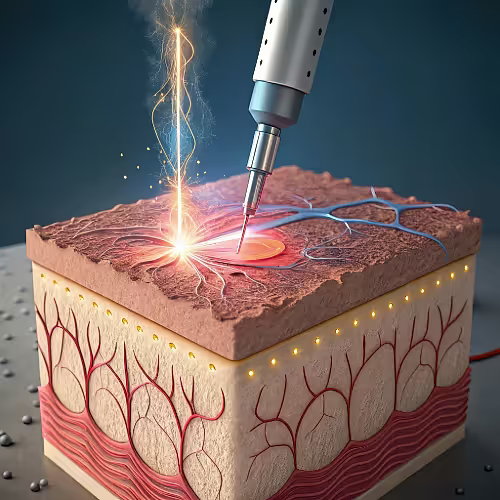
Photobiomodulation sessions use red and near infrared light to gently support cellular energy production. This process is often linked to mitochondrial activity, which plays a role in how the body recovers from daily stress. Many people choose red light therapy to help support routines that encourage skin vitality and tissue comfort. When combined with other healthy habits, these sessions may contribute to a refreshed appearance and smoother skin texture. The focus is always on supporting the body’s natural ability to recover, not on making dramatic promises.
Collagen is a key protein that helps maintain skin firmness and connective tissue strength. A collagen-friendly routine includes good nutrition, sun protection, and consistent sleep. Red light therapy is often discussed as a way to support these routines by encouraging cellular energy and tissue vitality. For some, regular sessions may support the appearance of healthier-looking skin. It is important to remember that results vary and that red light therapy works best as part of a broader wellness plan.
Near Infrared Light Therapy for Tissue Recovery
Near infrared light therapy is valued for its gentle approach to supporting tissue recovery. Many active adults use it as part of their post-workout routine. The sessions are designed to be low downtime and easy to fit into a busy schedule. Consistency is emphasized over intensity for best results.
LED Light Therapy Explained
LED light therapy uses controlled wavelengths of red and near infrared light to support the body’s natural recovery processes. The light energy is absorbed by cells, which may help support cellular energy production and tissue vitality. Many people notice a calming effect on their skin and muscles after a session. This approach is non-invasive and does not require any downtime, making it easy to add to a regular wellness routine. It is often paired with other healthy habits like hydration and balanced nutrition. Over time, some individuals report a more refreshed appearance and improved comfort. The key is to maintain a steady rhythm of sessions for cumulative benefits.
Red light therapy is not a quick fix but a supportive tool for ongoing recovery. It is commonly used by those who want to maintain movement consistency and manage post-exercise soreness. Sessions can be scheduled after intense workouts or during periods of high stress. The overall goal is to help the body recover more comfortably and consistently.
Collagen Support and Tissue Vitality
Collagen support is a frequent topic in wellness routines, especially for those focused on skin and joint health. Red light therapy is often included as part of a collagen-friendly approach because it supports cellular energy and tissue vitality themes. Consistent sessions may help support the appearance of smoother, healthier-looking skin. It is important to combine these sessions with habits like protein-rich meals and sun protection. Wellness is most sustainable when these elements work together over time.
A collagen-friendly lifestyle also includes sleep consistency, stress management, and gentle professional treatments when desired. Red light therapy fits into this model by offering a non-invasive, calming ritual. Many people find that pairing these sessions with other healthy habits amplifies their results. The emphasis is always on supporting the body’s natural processes, not on promising dramatic changes. Over time, a steady routine can help reinforce the foundations of skin and tissue health.
Routine Building for Cellular Repair
The greatest benefit of red light therapy often comes from making it a regular part of your wellness plan. By scheduling consistent sessions, you can support your body’s natural recovery environment and reinforce healthy habits. Many people find that including red light therapy for cellular repair helps them stay on track with their goals. The process is gentle, non-invasive, and designed to fit into busy lifestyles. It is important to remember that results are gradual and depend on routine. Over time, red light therapy can become a valuable anchor in your overall wellness strategy.
Tracking your progress can help you notice subtle improvements in comfort, energy, and skin texture. Simple checklists or notes after each session are useful for monitoring changes. Many people also take photos in consistent lighting to see progress over several weeks. This approach keeps the focus on steady, sustainable results.
Red light therapy is most effective when paired with foundational wellness habits. Prioritizing hydration, protein intake, and sleep can amplify the benefits of each session. Many clients find that gentle movement or stretching after a session helps maintain flexibility and comfort. Protecting your skin with barrier-first skincare and sunscreen is also important, especially if skin vitality is a main goal. Over time, these habits work together to support a refreshed appearance and consistent recovery. The key is to build a routine that feels sustainable and fits your lifestyle.
Photobiomodulation Session Tips
Preparing for a photobiomodulation session is simple and helps you get the most out of your visit. Start by hydrating earlier in the day and keeping your skin clean, especially if you are sensitive to topical products. Wear comfortable clothing and plan to use the session as a time to relax and recharge. After your session, continue to hydrate and enjoy balanced meals to support recovery. Gentle movement or stretching can help maintain comfort and flexibility. Protect your sleep that night to amplify the restorative effects. If your focus is on skin, maintain gentle skincare and sun protection for best results.
- Session timing: Schedule after intense workouts or stressful days for best recovery.
- Hydration matters: Drink water before and after your session to support tissue comfort.
- Routine consistency: Keep sessions on the same days each week to build a sustainable habit.
- Pair with nutrition: Support your body with protein and balanced meals for optimal results.
- Track progress: Use a simple checklist or photos to notice subtle improvements over time.
Collagen-Friendly Habits for Results
Building a collagen-friendly routine goes beyond just attending red light therapy sessions. Focus on daily protein intake, spread across meals, to support connective tissue and muscle health. Include vitamin C from food or supplements as appropriate, and prioritize sun protection to reduce skin irritation. Consistent sleep is essential, as recovery and skin repair are supported by good rest. Strength training and hydration also play important roles in maintaining tissue vitality. When these habits are combined with regular photobiomodulation, the likelihood of noticing positive changes in skin texture and comfort increases.
A collagen-friendly approach is most effective when it is sustainable and fits your lifestyle. Small, consistent changes often lead to the best results. Over time, these efforts can help reinforce the benefits of your wellness routine.
It is important to avoid harsh skincare products while pursuing collagen-friendly goals. Irritation can undermine skin vitality and slow progress. Instead, choose gentle, barrier-supporting products and maintain a consistent routine. Sun protection is essential, as sun exposure is a major factor in visible skin aging. Remember that red light therapy is a supportive tool, not a replacement for foundational habits. By focusing on these basics, you can create a strong foundation for healthy-looking skin and overall wellness.
Practical Recovery and Routine Tips
Many clients from the South Reno area find it easy to stop by for a session on their way home or after a workout. The convenient location makes it simple to fit wellness into even the busiest schedules. Whether you are looking to recover from travel, manage stress, or support your skin, our team is here to help. We focus on making each visit comfortable and tailored to your needs. Consistency and a welcoming environment are at the heart of our approach.
Session timing can make a difference in how you feel after red light therapy. For workout recovery, schedule your session after the most intense strength day or on a designated recovery day. If you travel often, plan a session soon after returning to help manage stiffness and fatigue. During high-stress periods, use sessions as a calming ritual on your most demanding days. Keeping your appointments consistent helps make the habit automatic and easier to maintain. Over time, these small adjustments can lead to more noticeable improvements in comfort and energy.
Pairing With IV Therapy
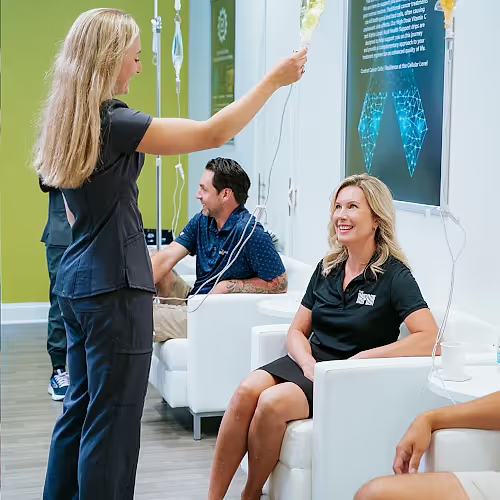
Red light therapy can be paired with IV therapy for a balanced approach to cellular repair. At The DRIPBaR, many clients combine photobiomodulation with NAD+ IV sessions or antioxidant drips. This combination supports both cellular energy and tissue recovery routines. Scheduling one targeted IV per month alongside weekly red light sessions is a common approach. The focus is on building a sustainable, supportive routine.
If you are new to IV therapy, start with a simple plan and gradually add services as you become comfortable. Pairing red light therapy with NAD+ or antioxidant drips can create a well-rounded wellness stack. For example, you might schedule a NAD+ IV session once every four to six weeks and use red light therapy weekly. Antioxidant drips can be added in a separate visit each month for additional support. The key is to avoid overloading your schedule and to focus on consistency. This approach helps you get the most benefit from each service while keeping your routine manageable.
Combining red light therapy with hyperbaric chamber sessions is another option for those interested in longevity and recovery. Hyperbaric sessions support oxygenation, while red light therapy focuses on cellular energy and tissue repair. Many clients alternate between these services, scheduling red light therapy weekly and hyperbaric sessions every other week or during demanding periods. Monthly IV hydration can also be included as a third anchor for comprehensive support. This balanced approach helps reinforce a steady recovery rhythm and supports long-term wellness goals.
Common Mistakes and Solutions
One common mistake is expecting dramatic results after just one red light therapy session. The most effective approach is to plan a consistent course of sessions and then maintain your routine. Another pitfall is inconsistent scheduling, which can undermine progress. Approach your sessions as standing appointments to build a sustainable habit. Adding too many new interventions at once can also be overwhelming, so introduce one service at a time. Harsh skincare products can interfere with collagen-friendly goals, so keep your routine gentle and consistent. Finally, do not neglect sun protection, as it is essential for maintaining skin vitality.
Neglecting foundational habits like protein intake, hydration, and sleep can limit the benefits of red light therapy. These elements are the true drivers of recovery and should be prioritized alongside your sessions. Over time, focusing on these basics will help you notice more consistent improvements in comfort, energy, and skin texture. Tracking your progress with simple checklists or photos can keep you motivated and aware of subtle changes. Remember that wellness is a journey, not a quick fix. By building a routine that fits your lifestyle, you set yourself up for long-term success.
It is also important to communicate with your wellness specialist about any discomfort or changes in your routine. Adjusting session frequency or intensity as needed can help you stay comfortable and on track. Always use appropriate eye protection during photobiomodulation sessions and follow provider guidance for safety. If you have a history of photosensitivity or are using products that increase light sensitivity, discuss this before starting. Avoid sessions on areas with active skin infections, open wounds, or acute rashes. These precautions help ensure a safe and effective experience.
Tracking Progress
Tracking your progress can make it easier to notice subtle benefits from your cellular repair routine. Monitor changes in workout soreness, mobility, and energy stability each week. Keep notes on sleep quality, stress perception, and skin texture. Monthly checklists or photos in consistent lighting can help you see gradual improvements. This approach keeps your focus on steady, sustainable progress. Over time, tracking helps you adjust your routine for the best results.
Weekly tracking can include how long soreness lasts after workouts, patterns in mobility, and overall energy levels. Sleep quality and bedtime consistency are also useful markers. Noting changes in stress perception and mood stability can provide insight into how your routine is supporting your well-being. For those focused on skin, track dryness, redness, and texture feel. Monthly, review your checklist of completed sessions and note any travel or high-stress periods. Optional photos can help you see changes in skin texture or glow over time.
Avoid expecting dramatic changes overnight, as red light therapy is a cumulative process. Focus on maintaining a steady rhythm of sessions and foundational habits. If you notice a plateau, review your routine and make small adjustments as needed. Consistency is the most important factor in seeing results. Over time, these efforts can help you build a sustainable wellness plan that supports your goals. Stay patient and celebrate small improvements along the way.
If you have questions about building a routine or pairing services, our team is here to help. We encourage open conversations to ensure your plan fits your needs. A short, no-obligation consult can help you get started with confidence. Your comfort and wellness are our priorities.
Ready to take the next step in your wellness journey? Book a follow-up or your next visit to stay on track with your goals. Consistency is key to making the most of your routine.
Monthly Schedules for Tissue Recovery
A simple monthly schedule can help you stay consistent with your tissue recovery routine. For a baseline plan, schedule one red light therapy session each week and add a monthly IV hydration session for extra support. During peak training or high-stress periods, increase red light sessions to two per week and consider adding a hyperbaric session every other week. Antioxidant drips can be included once per month, spaced apart from other intensive services. This approach allows you to adjust your routine based on your needs and schedule. Over time, a steady plan supports long-term recovery and wellness.
Many people find that including red light therapy for cellular repair as a regular anchor in their schedule helps maintain energy and comfort. By making it a routine, you can support your body’s natural recovery processes and reinforce healthy habits. Remember that results are gradual and depend on consistency. Over time, this approach can help you feel more resilient and refreshed. Red light therapy is a supportive tool for those looking to build sustainable wellness routines.
Minimalist Cellular Repair Plan
For those with limited time, a minimalist plan can still provide meaningful support. Schedule one session per week for eight weeks, then maintain with two sessions per month. Focus on pairing each session with hydration and protein-rich meals.
This approach is ideal for people who want to keep their commitment simple and sustainable. Even with fewer sessions, consistency is the most important factor. Over time, you may notice subtle improvements in comfort, energy, and skin texture. Tracking your progress helps you stay motivated and aware of changes. Adjust your routine as needed to fit your lifestyle and goals. The minimalist plan is flexible and easy to maintain.
Collagen-Friendly Routine Builder
A collagen-friendly routine combines red light therapy with foundational habits like protein intake and sun protection. Schedule three sessions per week for three to four weeks, then taper to one or two sessions per week for maintenance. Pairing with monthly facials and vitamin C support can further enhance results. Remember to keep skincare gentle and consistent. This approach helps support the appearance of smoother, healthier-looking skin.
Tracking texture and glow can help you notice gradual improvements over time. Take photos in consistent lighting and keep notes on how your skin feels after each session. Consistency and patience are key to seeing results. Avoid harsh products and prioritize sun protection to maintain progress. A collagen-friendly routine is most effective when it fits your lifestyle and is easy to sustain. Over time, these habits can help reinforce the benefits of your wellness plan.
If you are interested in building a more comprehensive routine, consider adding NAD+ IV therapy or antioxidant drips to your schedule. These services can complement red light therapy by supporting cellular energy and oxidative balance. Plan your sessions so that each service has its own time to work, rather than stacking everything at once. This approach helps you avoid overwhelm and makes it easier to track what works best for you. Consult with your wellness specialist to create a plan that aligns with your goals. Adjust your routine as needed based on your experience and progress.
A well-structured routine can make wellness feel more manageable and rewarding. By focusing on consistency and foundational habits, you set yourself up for long-term success. Remember that small, steady changes often lead to the most meaningful results. Stay patient and celebrate your progress along the way.
Start Your Cellular Repair Journey Today
Red light therapy offers a gentle, supportive way to reinforce your body’s natural recovery environment. By focusing on consistency and pairing sessions with foundational habits, you can build a sustainable wellness routine. Our team at The DRIPBaR South Reno is here to help you find the right approach for your needs. If you are curious about how photobiomodulation can fit into your plan, we invite you to schedule a short, no-obligation conversation. Together, we can explore options that support your goals and answer any questions you may have. Wellness is a journey, and we are here to support you every step of the way. Take the first step toward feeling more resilient and refreshed.