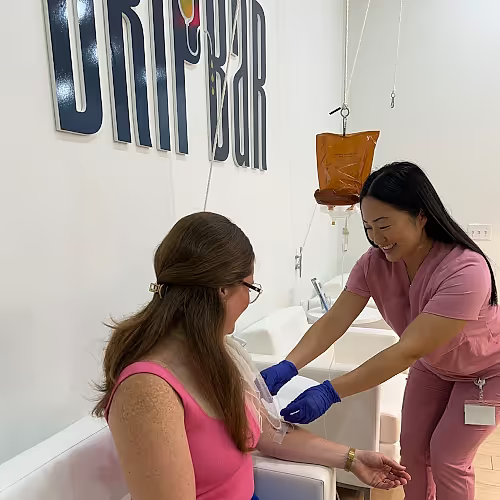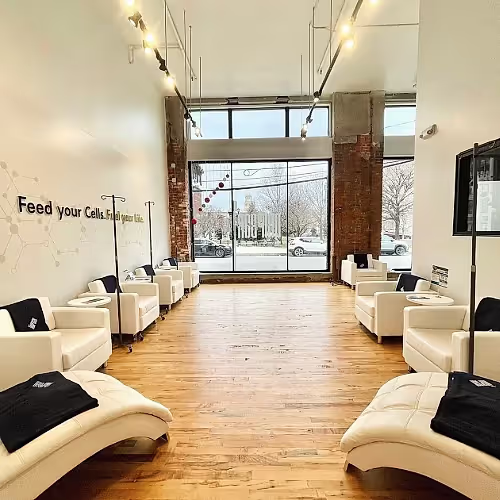

For those in the Reno area, The DRIPBaR South Reno offers a welcoming environment where supportive care is personalized to each guest. Many clients from nearby neighborhoods appreciate the calm atmosphere and attentive team. If you are exploring options for managing Cancer-related fatigue (CRF), this location provides hydration-first routines and wellness strategies that complement your oncology care. The focus is always on comfort, safety, and working in partnership with your medical team. Whether you are in active treatment or recovery, you will find resources designed to help you feel more supported. Take time to review what to expect and how these services may fit your needs.
IV Hydration for Fatigue
IV hydration may help support hydration status when oral intake is difficult. It is not a replacement for medical care but can be a supportive option for those seeking steadier days. Always coordinate with your oncology team before starting any new routine.
Personalized IV sessions at The DRIPBaR are designed to fit individual needs. Licensed providers review your health history and wellness goals before each session. Comfort and safety remain the top priorities throughout your visit.
On days when drinking fluids is especially challenging, IV hydration can help bridge the gap. This approach may reduce the number of “crash days” and help you feel more functional during demanding weeks. The DRIPBaR team works with you to adjust your plan based on how you feel and what your healthcare provider recommends. Hydration-first routines are always individualized, especially for those with heart, kidney, or blood pressure concerns. It is important to discuss any symptoms of severe dehydration with your medical provider.
NCCN Fatigue Guidelines in Action
The National Comprehensive Cancer Network (NCCN) highlights several strategies for managing fatigue. These include regular screening of fatigue levels, identifying contributing factors, and using a combination of physical activity, nutrition, hydration, and mental support. At The DRIPBaR, these themes are translated into practical routines that fit real life. Movement, even gentle, is encouraged as a foundation for reducing fatigue. Nutrition and hydration are paired to support energy and comfort. Mental support, such as counseling or support groups, is recognized as an essential part of fatigue care. Tracking fatigue trends helps personalize your routine and keeps your healthcare provider informed.
Energy conservation is another key part of the NCCN approach. Prioritizing important tasks, planning activities for high-energy times, and allowing for rest breaks can help manage daily demands. Using a “bank account” mindset for energy helps you spend it on what matters most. Permission to rest is built into the plan, not seen as a setback. This approach supports both physical and mental well-being.
Sleep quality is closely linked to fatigue. Consistent wake times, morning light exposure, and a calming wind-down routine can improve sleep patterns. Limiting late caffeine and heavy meals may also help. Behavioral strategies, such as keeping naps short and earlier in the day, support better sleep continuity. Emotional distress, anxiety, or depression can amplify fatigue, so addressing these with counseling or relaxation techniques is important. Nutrition strategies focus on small, frequent meals and pairing protein with carbohydrates for steadier energy. Hydration and nutrition together may support comfort with nausea and lightheadedness, making daily routines easier to manage.
Survivorship Fatigue Management
Fatigue can persist into survivorship, making ongoing support essential. Survivorship fatigue management focuses on rebuilding energy gradually and avoiding “crash days.” Gentle movement, hydration, and nutrition remain central to this approach. Tracking sleep quality and mood can help identify patterns and guide adjustments. Mental support, such as counseling or support groups, is valuable for long-term well-being.
Hydration and nutrition routines may need to be adapted over time. Survivors often benefit from periodic check-ins with their licensed provider. Personalized plans support ongoing recovery.
- Hydration-first focus: Start each day with small sips and pair fluids with snacks if tolerated.
- Timed sip pattern: Use reminders to drink fluids regularly, not just when thirsty.
- Comfort strategies: Adjust fluid temperature and flavors to match your preferences during treatment.
- Movement basics: Aim for gentle activity, such as short walks or seat exercises, most days.
- Energy conservation: Prioritize key tasks, plan breaks, and allow for rest as needed.
- Sleep routine: Maintain a consistent wake time and create a calming bedtime ritual.
- Mental support: Seek counseling, support groups, or relaxation techniques to help manage stress and mood.
Hydration-First Routine: Step-by-Step
Begin your day with a morning reset by sipping fluids slowly and pairing them with a light snack if possible. Use a hydration cue, like drinking after brushing your teeth, to create a consistent habit. Throughout the day, use reminders to take small sips and choose fluid temperatures that feel comfortable. In the evening, avoid large amounts of fluid close to bedtime to support sleep. Prepare fluids and snacks for the next morning to reduce friction. Adjust your routine on difficult days by using popsicles, ice chips, or warm broth if needed.
On days when intake is especially hard, focus on tiny sips and comfort strategies. Contact your healthcare provider if dehydration symptoms become severe. Personalize your routine based on how you feel.
IV hydration may help support hydration status on days when drinking is difficult or when a structured supportive visit is desired. The DRIPBaR offers personalized sessions with licensed providers who review your health history and wellness goals. Comfort and safety are prioritized throughout your visit, with adjustments made for individual needs. IV hydration is not a replacement for medical evaluation in cases of severe dehydration or persistent symptoms. Always coordinate with your oncology team before starting new supportive care routines.
Wellness Services at The DRIPBaR
Many guests from the greater Reno area visit The DRIPBaR South Reno for a calm, restorative experience. The lounge is designed to be welcoming, with comfortable seating and a relaxing atmosphere. Licensed professionals provide IV hydration, nutrient support, and recovery services tailored to your goals. Each visit begins with a review of your health history and wellness needs. The team focuses on making every guest feel heard and supported. Whether you are new to IV therapy or a regular visitor, you will find care that is both professional and personal.
Recovery services such as compression boots and red light therapy are available at many locations. These options can support circulation, relaxation, and routine consistency. Screening is always performed to ensure safety and suitability.
Nutrient Support: B12 and More
Vitamin B12 supports red blood cell production, nervous system health, and energy metabolism. B12 shots at The DRIPBaR are a quick, stimulant-free option some people use for steady energy support. These shots can be added to a hydration-first plan based on your goals and screening results. Fatigue can have many causes, so B12 is just one part of a multi-factor plan. Other nutrients, like vitamin C, magnesium, and zinc, are included in some IV formulas to support general wellness. Always coordinate with your oncology team before starting new supplements or high-dose nutrients. Personalized plans help ensure safety and effectiveness.
Nutrient support is always described as supportive, not curative. The DRIPBaR team helps you choose options that fit your needs and care plan. Avoid stacking multiple new add-ons at once. Keep ingredient choices conservative and confirm compatibility with your oncology team. Lab-aware conversations with your medical provider are encouraged for persistent fatigue.
Tracking Progress and Red Flags
Tracking fatigue with a daily score can help identify trends and triggers. Note sleep quality, hydration, and movement minutes each day. Bring this information to your oncology appointments for personalized recommendations.
Seek medical evaluation for severe or unusual symptoms, such as chest pain, fainting, fever, or persistent vomiting. The DRIPBaR is a supportive wellness resource, not a replacement for urgent medical care. Always prioritize communication with your oncology team if symptoms change or worsen. Personalized routines should be adjusted based on your response and licensed provider input. Safety and well-being are the top priorities.
Building a Supportive Routine
A supportive routine for cancer-related fatigue includes hydration, nutrition, movement, and emotional care. Start with simple, manageable steps and adjust as needed. Consistency is more important than perfection. Tracking progress helps you see what works best for your needs. Supportive care is about making daily life more manageable.
Cancer-related fatigue (CRF) can affect anyone during or after cancer treatment. Hydration-first routines, gentle movement, and nutrition support are key components of a multi-factor approach. Mental support and regular check-ins with your healthcare provider help personalize your plan. Tracking fatigue trends can guide adjustments over time. Remember, each person’s experience is unique and deserves a tailored approach.
The DRIPBaR South Reno team is committed to providing a welcoming, professional space for wellness support. Personalized care plans are developed based on your goals, health history, and current needs. Licensed professionals guide you through each step, from screening to after-care. Recovery services and nutrient support are available to complement your routine. Building relationships and earning trust are central to the experience. Wellness is about consistency, education, and support.
What to Expect at Your Visit
Before your visit, bring a list of medications and note your current symptoms and goals. Licensed providers will review your health history and personalize your plan. Comfort and safety are prioritized throughout your session.
During your session, you will relax in a calm lounge environment while licensed professionals administer your IV or recovery service. Adjustments are made for comfort, including infusion pacing and session length. After your visit, you will receive guidance on hydration, rest, and routine consistency. The team encourages feedback and ongoing communication to refine your plan. Each visit is designed to be restorative and supportive. Regular check-ins help ensure your routine remains effective and safe.
Same-Day Options Available
Many guests can schedule same-day visits for hydration or recovery services at The DRIPBaR South Reno. If you are ready to take the next step, reach out to reserve your spot. The team is here to help you feel supported and informed.
Same-day options are often available for those seeking hydration support or recovery services. Booking is simple, and the team will guide you through the process. Personalized care ensures your visit aligns with your wellness goals. Licensed professionals are available to answer questions and address concerns. Take the first available slot to begin your supportive routine. Your comfort and safety are always the top priorities.
If you are considering supportive care, review what to expect and how these services may benefit you. The DRIPBaR South Reno team is ready to welcome you. Take the first step toward a steadier, more supported routine.
Ready to Feel Supported?
If you are interested in learning more about supportive care for cancer-related fatigue, contact The DRIPBaR South Reno today. Review your options, ask questions, and take the first step toward a more supported routine.
What role does rest play in supporting antioxidants?
Rest allows the body to recover and helps maintain balance in antioxidant levels. Quality sleep supports the body’s natural repair processes. Combining rest with nutrition and hydration may help optimize antioxidant support. If sleep issues persist, speak with your healthcare provider for guidance.
What is the best way to balance activity and rest while managing fatigue?
Prioritize important tasks and plan activities for times when your energy is highest. Allow for rest breaks and listen to your body’s signals. Gentle movement and pacing may help you avoid burnout. Consult your healthcare provider for personalized recommendations.