
At The DRIPBaR South Reno, we often see clients who travel from nearby neighborhoods seeking relief from dehydration and mineral loss. Our hydration-first approach addresses the root causes by replenishing both fluids and minerals, not just water. If you have ever felt “off” after a long workout or a day in the sun, you are not alone. For those looking to learn more, our electrolyte depletion resource explains how targeted support can make a difference. Many find that a short drive to our location is a worthwhile step toward feeling better.
Electrolyte balance is essential for everyone, but especially for athletes, active adults, and those with demanding schedules. Our team focuses on making hydration support accessible and comfortable. Each visit is tailored to your needs, helping you recover and maintain your wellness goals.
Hydration Therapy and Electrolyte Balance
Hydration therapy at The DRIPBaR is designed to restore fluid and mineral balance efficiently, using IV electrolyte replacement as a foundation. This approach is especially helpful for those who experience heavy sweating, frequent cramps, or persistent fatigue. Oral hydration can sometimes fall short, particularly when appetite is low or nausea is present. By delivering fluids and electrolytes directly, IV therapy can help support recovery and overall comfort. Our protocols are guided by wellness specialists who prioritize safety and individualized care.
Lactated Ringers IV is a popular option for rapid rehydration and replenishment. It contains sodium, potassium, calcium, and lactate, closely mirroring the body’s natural plasma. This balanced solution is often chosen by athletes and active individuals after intense activity.
Dehydration and Cramps: What to Know
Dehydration and cramps often go hand in hand, but the relationship is more complex than it seems. Heavy sweating removes both water and minerals, especially sodium, which is crucial for muscle and nerve function. When only water is replaced, the body may still feel depleted, leading to symptoms like muscle tightness, headaches, or lingering fatigue. Hydration therapy helps address both fluid and mineral loss, supporting a more complete recovery. For those who experience frequent cramps, a tailored hydration plan can make a noticeable difference in comfort and performance.
Heavy Sweating Hydration Strategies
Heavy sweating can quickly deplete the body’s sodium and other key electrolytes, especially during intense workouts or long days in the heat. Many people notice that drinking plain water does not fully resolve symptoms like fatigue, cramps, or a washed-out feeling. This is because sweat loss is not just about fluids; it is also about losing minerals that help regulate nerve signals, muscle contractions, and energy production. Hydration therapy with balanced electrolytes, such as sodium and potassium, can help restore what is lost more predictably. For those with high-sweat jobs or active lifestyles, building a hydration routine that includes both fluids and minerals is essential. Consistent support can help you recover and feel more stable after demanding days.
Sodium and electrolyte balance is a key focus in our hydration-first routines. By addressing both fluid and mineral needs, we help clients avoid the setbacks that come from incomplete recovery.
Cramps are not always caused by a single factor, but electrolyte depletion is a common contributor, especially after prolonged effort or heat exposure. Neuromuscular fatigue, low carbohydrate intake, and inadequate recovery can also play a role. Our approach combines hydration, targeted minerals, and education to support normal muscle function and comfort. Magnesium is a frequently requested add-on for those seeking extra muscle relaxation support. We emphasize that results vary and that a comprehensive plan is the most effective way to manage cramping risk.
IV Electrolyte Replacement
IV electrolyte replacement offers a direct way to restore fluid and mineral balance after heavy sweating or illness. This method is especially useful when oral intake is limited or when rapid replenishment is needed. Our team uses balanced solutions to support safe and effective hydration.
Lactated Ringers IV is often the starting point for those seeking hydration and electrolyte support. It is formulated to closely resemble the body’s plasma, providing sodium, potassium, calcium, and lactate. This foundation can be customized with add-ons like magnesium for those with specific recovery needs. Licensed professionals guide each session to ensure comfort and safety. Many clients appreciate the efficiency and predictability of IV hydration after demanding days.
Hydration therapy is not just for athletes; it can benefit anyone experiencing fatigue, headaches, or muscle discomfort after fluid loss. Our protocols are designed to be flexible, supporting a range of wellness goals. By focusing on both fluids and minerals, we help clients recover more completely and maintain their routines.
Sodium and Electrolyte Balance Explained
Sodium and electrolyte balance is central to how the body manages hydration, nerve signaling, and muscle function. When these minerals are out of balance, symptoms like dizziness, weakness, and poor focus can appear. Hydration therapy helps restore this balance by delivering key electrolytes directly into the bloodstream. This approach is especially valuable after intense exertion or illness, when oral intake may not be enough. Our team educates clients on the importance of pairing fluids with minerals for optimal recovery.
Understanding your own hydration needs may help you avoid setbacks. We encourage clients to track patterns and adjust routines as needed.
Hydration Therapy for Active Lifestyles
For those with busy schedules or demanding training blocks, hydration therapy can be a practical anchor for recovery. Many athletes and active adults notice that even with careful planning, they sometimes fall behind on fluids and minerals. Our hydration-first routines are designed to address these gaps, supporting energy, focus, and muscle comfort. The foundation is always restoring fluids and electrolytes, with options to layer in additional nutrients as needed. We often discuss the importance of electrolyte depletion in post-event recovery and how IV therapy can help bridge the gap when oral intake is limited. By making hydration support part of your regular routine, you can help maintain performance and resilience.
Hydration therapy is not just about recovery after a tough workout. It can also support those dealing with travel, illness, or high-stress periods. Our team works with you to create a plan that fits your lifestyle and goals.
Lactated Ringers IV Benefits
Lactated Ringers IV is a balanced solution that supports rapid hydration and electrolyte replenishment. It contains sodium, potassium, calcium, and lactate, which together help stabilize fluid levels and support cellular function. Many clients choose this option after intense activity, travel, or illness. The solution is designed to closely resemble the body’s natural plasma, making it a reliable foundation for wellness support. Our wellness specialists guide each session to ensure comfort and address individual needs.
Clients often report feeling more refreshed and stable after a session. The predictable delivery of fluids and minerals can make a noticeable difference in recovery.
Magnesium for Muscle Comfort
Magnesium is a popular add-on for those seeking muscle relaxation and recovery comfort. It supports normal nerve signaling and energy production. Many find it helpful after heavy sweating or intense training.
While magnesium may support muscle function, outcomes vary from person to person. Our team helps you decide if this add-on fits your needs.
Hydration therapy can be tailored to different types of athletes and active adults. Marathon runners, cyclists, and those with high-exertion jobs all have unique hydration needs. Our protocols are flexible, allowing for adjustments based on activity level, sweat loss, and recovery goals. We emphasize the importance of sodium and fluids as the primary focus, with carbohydrates and support minerals layered in as needed. By building a routine that matches your lifestyle, you can help reduce the risk of fatigue and cramping. Education and individualized care are central to our approach.
Active lifestyles demand consistent hydration and mineral support. Our team is here to help you find the right balance for your routine. Each visit is an opportunity to reset and recharge.
Hydration and Physical Health Insights
Hydration and physical health are closely linked, especially for those with demanding schedules or frequent travel. Dehydration can affect mood, focus, and recovery, making it harder to stay on track with wellness goals. Our hydration-first routines are designed to address these challenges by restoring both fluids and minerals. We work with clients to identify patterns and build sustainable habits. Consistency is key to long-term wellness.
Clients often notice improvements in energy and comfort after regular hydration support. Our team provides guidance on integrating these sessions into your broader wellness plan.
Hydration therapy is a supportive tool, not a cure-all. We encourage clients to combine it with good nutrition, sleep, and recovery practices.
Hydration Therapy for Dehydration and Cramps
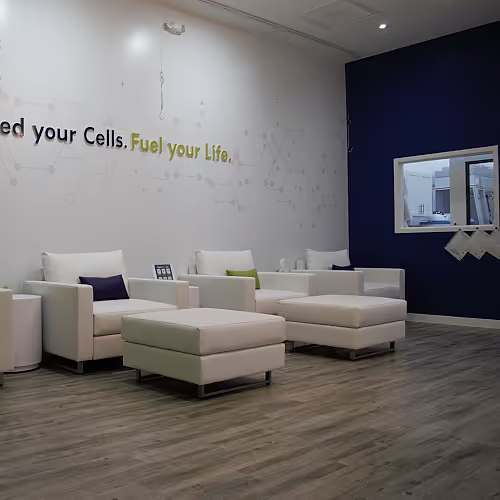
Many guests from the greater Reno area appreciate how close The DRIPBaR South Reno is for quick hydration support after a tough week or event. Our lounge is designed to be a calm, welcoming space where you can recover and recharge. Whether you are dealing with cramps, fatigue, or just need a wellness reset, our team is ready to help.
Our approach is grounded in education and individualized care. We help you understand your hydration needs and build routines that support your goals.
Hydration therapy can be especially helpful after illness, travel, or periods of high stress. By restoring fluids and minerals, we support your body’s natural recovery processes. Each session is tailored to your needs, with options for additional nutrients if appropriate. Our team is committed to making wellness accessible and comfortable. Many clients return regularly to maintain their progress.
Supporting Muscle and Nerve Function
Balanced hydration supports both muscle and nerve function, helping you feel more stable after exertion. Calcium, potassium, and magnesium each play a role in this process. Our IV options can be customized to address your specific needs. Licensed professionals guide each session for safety and comfort.
Muscle cramps and twitching are common concerns after heavy sweating or intense activity. Our hydration-first routines focus on restoring sodium and fluids, with magnesium as an optional add-on for those seeking extra support. We educate clients on the multifactorial nature of cramps, emphasizing that hydration is just one piece of the puzzle. Recovery comfort is best achieved through a combination of hydration, nutrition, and rest. Our team is here to help you find the right balance for your routine.
Wellness Support Beyond Hydration
Hydration therapy is just one part of a comprehensive wellness plan. We offer options that support energy, immunity, and recovery. Each visit is an opportunity to learn and adjust your routine.
Clients often ask about combining hydration with other wellness goals, such as immune support or energy recovery. Our menu includes infusions designed to address a range of needs, from foundational hydration to targeted nutrient support. We recommend starting with a hydration base and layering in additional ingredients only as needed. This modular approach keeps routines simple and sustainable, especially during busy periods or before important events. Our team helps you navigate options and make informed choices. Each session is guided by your goals and preferences.
Safety is always our top priority. We screen for health history, medications, and any conditions that may affect hydration needs. Licensed professionals administer each session in a comfortable, supportive environment. Common side effects are rare and typically mild, such as minor discomfort at the IV site. We encourage clients to communicate any concerns promptly. If you have a history of kidney, heart, or electrolyte disorders, we recommend discussing your plans with your healthcare provider. Our goal is to make wellness support accessible and responsible.
Hydration therapy is not suitable for everyone. Those with certain medical conditions or severe symptoms should seek medical advice before scheduling a session. Our team is committed to transparency and safety at every step. We provide guidance on when hydration support may be helpful and when it is best to consult a healthcare professional. Individual results vary, and we never promise guaranteed outcomes. Your well-being is our focus.
For athletes subject to anti-doping rules, it is important to confirm whether IV infusions are permitted in your sport. We advise keeping records and consulting with your team’s medical staff when needed. Our protocols are designed to support ethical planning and compliance. We respect the unique needs of each client and work to provide clear, accurate information. Hydration support can be a valuable tool when used responsibly. Our team is here to answer questions and help you navigate your options.
Building a Hydration Routine
A consistent hydration routine can make a significant difference in how you feel and perform. We encourage clients to drink fluids steadily throughout the day, not just before or after activity. Including electrolytes with meals and snacks is especially important on high-sweat days. Pairing hydration therapy with good nutrition and sleep helps support recovery and resilience. Our team provides education and support to help you track patterns and adjust as needed. Making hydration a habit can help you stay ahead of fatigue and discomfort.
Each visit is an opportunity to reset and reinforce healthy habits. We are here to support your wellness journey, one step at a time.
Hydration Therapy for Recovery
Hydration therapy can play a key role in post-event recovery, helping restore fluids and minerals lost during exertion. Our protocols are designed to be flexible and responsive to your needs. Many clients use these sessions after long workouts, tournaments, or travel. Consistent support helps maintain energy and comfort.
After a demanding event or training block, addressing electrolyte depletion is essential for a smooth recovery. Our hydration-first approach focuses on restoring balance, supporting muscle comfort, and helping you return to your routine. Each session is tailored to your needs and goals.
Weekly Hydration-First Routine
A weekly hydration-first session can anchor your recovery routine during peak training or busy periods. Many athletes schedule these sessions after their longest or sweatiest workout of the week. This timing helps address fluid and mineral deficits before they compound. Adding magnesium is an option for those with recurring muscle tightness or twitching. Our team helps you build a plan that fits your schedule and supports your performance.
Hydration routines are not just for athletes. Busy professionals, parents, and anyone facing high stress or frequent travel can benefit from regular support. We recommend pairing hydration therapy with balanced meals, steady fluid intake, and adequate sleep. Tracking your patterns over time can help you identify when extra support is needed. Our team is here to guide you through options and help you stay on track. Consistency is key to long-term wellness.
- Hydration-first focus: Start with fluids and electrolytes after heavy sweating or exertion.
- Magnesium support: Add magnesium for muscle comfort if tightness or twitching is a recurring issue.
- Routine timing: Schedule sessions after your longest or most intense workout for best results.
- Track patterns: Monitor hydration, nutrition, and recovery habits to adjust as needed.
Optimizing Recovery and Performance
Optimizing recovery is about more than just fluids. We encourage clients to combine hydration therapy with good nutrition, regular sleep, and active recovery practices. Carbohydrates and protein are important for muscle repair and energy restoration. Including sodium and other electrolytes with meals can help maintain balance after heavy sweating. Our team provides education on building sustainable routines that fit your lifestyle. Each session is an opportunity to learn and adjust your plan. We are here to support your long-term wellness goals.
Performance is influenced by many factors, including hydration, nutrition, sleep, and stress management. Our protocols are designed to address these areas in a holistic way. We help clients identify gaps and build routines that support resilience and recovery. Hydration therapy is one tool among many, best used as part of a comprehensive plan. Our team is committed to helping you find the right balance for your needs. Consistency and education are at the heart of our approach.
Take the Next Step Toward Wellness
Ready to support your recovery and hydration goals? Reach out to our team for a quick message or to learn more about same-day options. We are here to help you feel your best, one visit at a time.
How does mindfulness contribute to maintaining overall wellness benefits?
Mindfulness encourages awareness of your body’s hydration and recovery needs. By paying attention to early signs of fatigue or dehydration, you can take proactive steps to support balance. This approach may help you make better choices about fluids and nutrition. Consistent mindfulness can support long-term wellness habits.
What daily habits help magnesium work better in the body?
Staying hydrated and eating a balanced diet can support magnesium’s role in muscle and nerve function. Including foods rich in magnesium, such as leafy greens and nuts, may help maintain healthy levels. Regular physical activity and adequate sleep also contribute to effective mineral use. Consulting a wellness specialist can provide personalized guidance.
In what ways does sleep quality affect feelings of fatigue?
Poor sleep can increase the likelihood of feeling tired and less focused during the day. Quality rest supports the body’s natural recovery and energy restoration processes. When sleep is disrupted, symptoms like fatigue and muscle discomfort may become more noticeable. Addressing sleep habits can be an important part of a wellness routine.