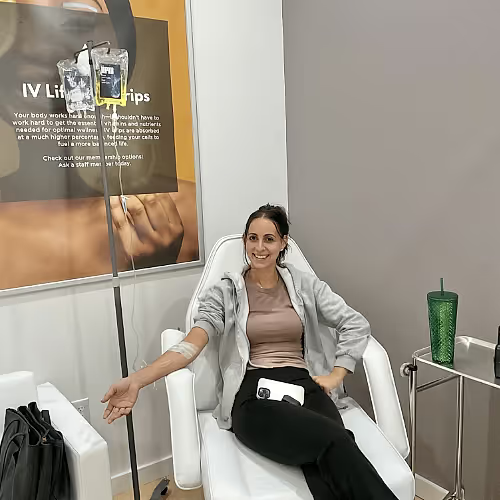

Are you facing ongoing fatigue post-surgery?
Fatigue and low energy are common after gastric surgery, often due to nutrient absorption challenges. These symptoms can make daily routines harder and slow your recovery. Monitoring your progress and seeking tailored support can help you regain strength.
Restore Energy and Support Recovery
Focused recovery solutions.
Gastric surgery can lead to nutrient gaps, fatigue, and slower recovery, making recovery more complex than expected. The DRIPBaR helps by providing hydration and essential nutrients directly into your bloodstream, bypassing digestive barriers. This method supports tissue repair, replenishes key vitamins, and can help improve your energy and stamina. By addressing these needs, you may experience fewer symptoms and a smoother recovery process.
At The DRIPBaR South Reno, you receive care designed to help you recover comfortably and confidently. Our approach supports immune function, helps manage inflammation, and addresses common post-surgical symptoms. Consistent support can make your recovery journey more manageable and help you maintain long-term wellness. Book your appointment today to start your personalized recovery plan.
Did you know?
Gastric surgery frequently leads to vitamin and mineral deficiencies, making ongoing nutrient support vital for recovery.
Understanding Gastric Surgery Recovery
Gastric surgery, including procedures like bypass, sleeve gastrectomy, and banding, is performed to aid weight loss and improve metabolic health. These surgeries alter the digestive tract, often reducing the body’s ability to absorb key nutrients such as vitamin B12, iron, calcium, and vitamin D. As a result, individuals may experience fatigue, anemia, and delayed recovery due to these deficiencies. Addressing these nutrient gaps is essential for a successful recovery and long-term wellness.
Common triggers for complications include limited food intake, intolerance to oral supplements, and ongoing digestive discomfort. Managing these issues involves dietary adjustments, regular bloodwork, and targeted supplementation. Staying hydrated and supporting immune function are also important. With a proactive approach, many people can minimize symptoms and improve their recovery experience.
Common Symptoms of Poor Recovery
After gastric surgery, many people experience ongoing fatigue and low energy, which can make daily activities more difficult. This is often linked to reduced absorption of nutrients like vitamin B12 and iron, leading to anemia and weakness. Dizziness or headaches may also occur, especially if hydration is not maintained. These symptoms can persist for weeks if not addressed.
Digestive changes such as nausea, low appetite, and discomfort after eating are common. Some individuals develop dumping syndrome, which may cause rapid heartbeat, sweating, or abdominal cramps after meals. Hair thinning and muscle weakness can result from protein and micronutrient deficiencies. Monitoring these symptoms is important for timely intervention.
Delayed wound repair and increased susceptibility to infections are additional concerns. The immune response may be weakened, making recovery more challenging. Regular follow-up and proactive management of symptoms can support a smoother recovery and help reduce complications.
Traditional Treatments
Standard care after gastric surgery emphasizes dietary changes, lifelong nutritional supplementation, and regular monitoring of blood levels. Patients are typically advised to follow a high-protein, low-sugar diet and take daily vitamins such as B12, iron, calcium, and vitamin D. Oral supplements are the first line of support, but some individuals have trouble absorbing or tolerating them, making it difficult to maintain adequate nutrient levels. When deficiencies persist or symptoms are severe, alternative options like IV nutrient therapy may be considered. This approach delivers hydration, vitamins, and minerals directly into the bloodstream, bypassing digestive challenges. Ongoing support from licensed providers helps ensure recovery stays on track. Regular follow-up and adjustments to the care plan are important for long-term wellness.
How IV Therapy May Help
IV therapy at The DRIPBaR is designed to deliver hydration and essential nutrients directly to your bloodstream, helping to address deficiencies that often follow gastric surgery. By bypassing the digestive system, this approach allows for more efficient absorption of vitamins and minerals such as vitamin B12, iron, and magnesium. This targeted support can help restore energy, promote tissue repair, and support immune function during recovery. Our services are tailored to the unique needs of those recovering from gastric surgery, with options that focus on reducing inflammation and supporting wound repair. Licensed providers oversee each session to ensure safety and comfort. Regular IV therapy can help manage symptoms like fatigue, dizziness, and slow recovery, supporting your journey to better health and long-term wellness.
Supportive Therapies for Recovery Needs
Specialized therapies can help replenish nutrients, support hydration, and support recovery after gastric surgery. These offerings are designed to address common post-surgical challenges. Consistent support may improve comfort and recovery outcomes.
Post-Op
Post-Op is an intravenous infusion designed to aid recovery by providing hydration and key nutrients such as Ascorbic Acid, Magnesium, and Zinc. It supports tissue repair and helps reduce inflammation that may occur after surgery. The infusion also replenishes energy levels and strengthens immune function. This approach bypasses the digestive system for immediate nutrient delivery. It is suitable for individuals recovering from various surgical procedures. The treatment aims to minimize downtime and improve overall recovery outcomes. Post-Op offers a supportive option for enhancing post-surgical wellness.
Read moreRed Light Therapy
Red Light Therapy delivers targeted red and near-infrared light to the skin and underlying tissues to enhance cellular energy and promote tissue repair. This non-invasive treatment encourages collagen synthesis and helps modulate inflammation, supporting comfort and recovery. Sessions are relaxing and typically last 10 to 20 minutes. The therapy can be used alone or alongside other wellness services. Many clients notice gradual improvements in skin tone, mobility, and overall resilience. It is designed to be safe, painless, and requires no downtime. This approach offers a supportive option for those seeking to enhance their body’s natural recovery processes.
Great place. Staff is so friendly! Love it here! Thank you Sarah and Maggie
Love these gals! Sarah is the best!!
Love this place
Amazing experience, friendly staff. Went in for the nad shot and wow 👌 10/10
Read more
Ready to Get Started?
Feel your best with a treatment designed to support your goals! Whether you’re looking for hydration, energy, immune support, recovery, or overall wellness, our team will help you choose the right option and make sure your experience is comfortable from start to finish. Click the Book Appointment button below to pick your reserve a time that fits your schedule.