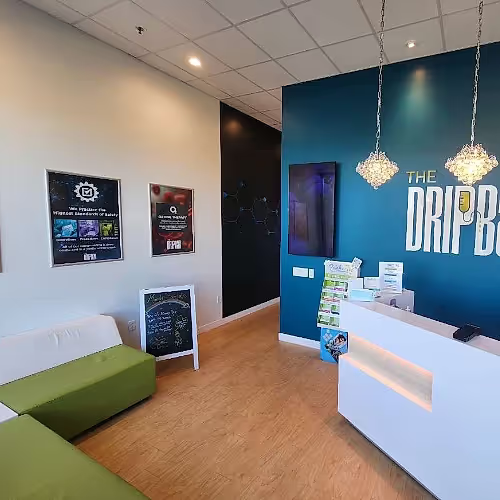

Many adults in Town and Country find that routines often break down under stress, making recovery challenging. For those navigating ADHD and burnout, a planned approach can make all the difference. The IV hydration therapy stack at The DRIPBaR offers a structured way to support replenishment, comfort, and follow-through. This system is designed to fit busy lives and help reduce the overwhelm that comes with recurring burnout.
Burnout in adults with ADHD is more than just feeling tired. It often shows up as a cycle of hyperfocus, missed basics, and eventual crashes. Over time, this pattern can lead to a growing sense of depletion and frustration. The goal is not a one-time fix but a repeatable recovery system. By focusing on both body and mind, the recovery-day stack aims to support sustainable routines.
Adult ADHD burnout recovery day routine
A recovery day for adult ADHD is about more than rest. It is a planned pause that supports hydration, movement, and nervous system downshift. This approach helps reduce decision fatigue and makes self-care more accessible. Many people notice that having a set routine increases follow-through.
The DRIPBaR recovery-day stack combines IV hydration, red light therapy, and compression boots. Each component is intended to support different aspects of recovery, from physical comfort to mental clarity. By scheduling these services together, adults with ADHD can create a reliable anchor in their week. This structure helps keep routines from collapsing during stressful periods.
Why burnout recurs
Burnout often returns for adults with ADHD because of the unique way their brains handle daily demands. Executive function strain, time blindness, and cycles of urgency can make it hard to maintain routines. Hyperfocus may lead to skipped meals, missed hydration, and long periods of sitting. Over time, these patterns create a cumulative burden that is difficult to shake. Emotional stress and inconsistent sleep further increase vulnerability. Recognizing these factors is the first step toward building a more stable recovery plan.
Adult ADHD burnout signals
Common signs include waking up tired, brain fog, and low motivation. Many also notice increased sensitivity to noise and light. Recovery often takes longer after busy weeks.
Physical symptoms like muscle tension and disrupted sleep are frequent. Emotional shutdown or frustration spikes can also occur. These signals point to the need for a more structured recovery approach.
Burnout is not just about working too hard. For adults with ADHD, it is often a mismatch between demands and recovery time. The cycle of overwork and crash can feel endless without a system in place. Building a repeatable recovery ladder helps break this pattern. Each layer supports a different aspect of well-being.
Building a recovery ladder
A recovery ladder starts with stabilizing the body through hydration and nutrition. Next, calming the nervous system helps reduce stress and sensory overload. Resetting the environment by decluttering and preparing essentials makes routines easier to follow. Planning short time blocks and minimum viable routines supports consistency during busy weeks. Optional wellness supports like IV hydration, red light therapy, and compression boots can be added for extra replenishment. This layered approach makes recovery more sustainable.
The recovery-day stack at The DRIPBaR fits naturally into this ladder. It turns self-care into a scheduled appointment, reducing decision fatigue and making follow-through easier. By combining hydration, light therapy, and circulation support, the stack addresses both physical and mental aspects of burnout. Many adults find that this structure helps you avoid routine collapse during high-stress periods. Results vary, but the system itself offers a valuable anchor.
Each component of the stack plays a unique role. IV hydration supports fluid balance and replenishment, especially for those who forget to drink during busy days. Red light therapy offers a calm, non-invasive way to support recovery and nervous system downshift. Compression boots help with circulation and leg comfort after long periods of sitting. Together, these services create a comprehensive reset routine that is easy to repeat.
Stack components explained
IV hydration delivers fluids and nutrients directly, supporting cellular hydration and a replenished feeling. Red light therapy uses specific wavelengths to support cellular energy and tissue recovery. Compression boots use dynamic air pressure to support circulation and reduce leg fatigue. Each service is guided by licensed professionals in a comfortable, spa-like setting. The combination is designed to make recovery feel intentional and accessible. Many people notice subtle benefits, especially when sessions are consistent. The real value is in the structure and repeatability.
Hydration is especially important for adults with ADHD, who may forget to drink during periods of hyperfocus. Red light therapy provides a low-stimulation environment that supports nervous system downshift. Compression boots help address the movement debt that builds up during long sitting blocks. Together, these tools support both immediate comfort and longer-term routine stability.
Recovery day stack for ADHD routines
The recovery-day stack, featuring IV hydration therapy, is designed to be a full reset for both body and mind. By scheduling these services together, adults with ADHD can create a predictable anchor in their week. This approach helps reduce overwhelm and supports follow-through on healthy routines. Many find that the structure makes self-care more accessible. Over time, this rhythm can help reduce the intensity of burnout cycles.
A typical recovery day starts with hydration and a protein-forward breakfast, followed by gentle movement. The DRIPBaR visit includes IV hydration, red light therapy, and compression boots, all in a calm, supportive environment. During the session, clients are encouraged to focus on calm productivity, such as planning or organizing. Afterward, a balanced meal and light activity help reinforce the reset. Protecting sleep that night is key to making the benefits last.
Calm productivity during a recovery visit means choosing tasks that reduce mental load without causing stress. Examples include setting up reminders, planning meals, or organizing the week ahead. Avoid high-stakes decisions or emotionally charged tasks during this time. The goal is to leave feeling lighter and more prepared. This approach helps make recovery days feel restorative, not overwhelming.
Calm productivity tips
To make the most of a recovery session, focus on small, manageable tasks. Set a timer for two minutes and start with the easiest action. Turn big goals into specific next steps, like refilling a water bottle or planning tomorrow’s breakfast. Shrink tasks to match your energy level, such as organizing one drawer instead of the whole room. Use a single list to capture everything and choose just one next step for the day. This strategy helps reduce overwhelm and supports follow-through.
- Hydration triggers: Drink water after waking and at key transitions.
- Movement breaks: Take short walks or stretch throughout the day.
- Wind-down routine: Start winding down early to protect sleep.
- Calm planning: Use the session to organize the next few days.
Stress reduction strategies for recovery
Long-exhale breathing and grounding exercises can help downshift the nervous system. Sensory simplification, like lowering lights and reducing noise, supports calm. Movement micro-breaks also aid in stress reduction.
Pairing these strategies with the recovery-day stack can make the experience more effective. Many people find that combining physical and mental resets leads to better outcomes. Consistency is key for lasting benefits.
Burnout recovery is not a one-time event. Caring for the recovery-day stack as a weekly rhythm helps build resilience over time. One day becomes the anchor, with focus and admin days supporting the rest of the week. The DRIPBaR visit serves as a cue for hydration, nutrition, and sleep routines. This approach may help reduce the frequency and severity of burnout cycles. Results vary, but many find the structure itself to be the most valuable part.
Safety and screening essentials
Clients from Chesterfield and the surrounding Town and Country area often appreciate the focus on safety and comfort at The DRIPBaR. Before any IV hydration or recovery service, a licensed professional reviews your medical history and wellness goals. It is important to disclose all medications, allergies, and health conditions. Those with kidney or heart issues should consult their healthcare provider before scheduling. During the session, staff monitor comfort and adjust as needed. Open communication ensures a supportive and safe experience.
Compression boots and red light therapy also require screening for specific conditions. Inform the team about any history of blood clots, vascular disease, or recent surgeries before using compression boots. For red light therapy, mention any photosensitivity or medications that increase light sensitivity. Eye protection and proper guidance are provided to ensure safety. Always communicate any discomfort during sessions. Persistent or severe symptoms should be evaluated by a medical provider.
Foundational habits for lasting results
A recovery-day visit can offer a helpful reset, but daily habits determine whether the benefits last. Protecting sleep by setting a wind-down time and reducing screen exposure is essential. Nutrition stability, such as a protein-rich breakfast and planned snacks, supports steady energy. Hydration should be front-loaded in the day and paired with meals. Caffeine is best consumed with food and cut off early to avoid sleep disruption. Short walks and mobility breaks help maintain circulation. Consistency in these basics supports ongoing recovery.
Pairing the recovery-day stack with these habits increases the likelihood of sustained improvement. The structure helps reinforce routines that might otherwise fall apart during stressful times. Over time, these small actions build resilience.
Personalizing your recovery
Every adult with ADHD experiences burnout differently. The recovery-day stack can be tailored to fit individual needs. Discuss your goals and preferences with the wellness team.
Some may benefit most from hydration support, while others find red light therapy or compression boots more helpful. The key is to identify which components address your unique challenges. For example, those who struggle with movement breaks may prioritize compression boots. Others who experience sensory overload might focus on the calming effects of red light therapy. Regular check-ins with the team can help adjust the plan as needs change. Personalization ensures the approach remains effective and supportive.
Remember that results vary for each person. Stay open to adjusting your routine as you learn what works best. The goal is to create a recovery system that feels sustainable.
Making recovery a weekly habit
Caring for the recovery-day stack as a recurring event helps anchor routines and keep burnout from building up. Set a regular day for your visit and use it as a cue for other healthy habits. Over time, this rhythm can make self-care feel less like a chore and more like a natural part of your week. Many clients find that the predictability reduces stress and increases follow-through. The DRIPBaR team can help you plan a schedule that fits your lifestyle. Consistency is the foundation for lasting change.
If you are new to the recovery-day stack, start with one service and build from there. Gradually add components as you discover what feels most supportive. The goal is progress, not perfection.
Next steps for recovery
If you are considering the recovery-day stack, begin by reviewing your current routines and identifying areas that feel depleted. Schedule a visit to The DRIPBaR Town and Country to experience the supportive environment firsthand. Bring a list of your wellness goals and any questions you have about the services. During your session, focus on calm productivity and gentle self-care. Afterward, reinforce the reset with a balanced meal and early wind-down. Remember, the process is about building a sustainable rhythm, not achieving instant results.
The IV hydration therapy stack can be a valuable tool for adults with ADHD looking to support recovery and routine stability. By combining hydration, red light therapy, and compression boots, you create a structured pause that helps replenish energy and comfort. Many find that this approach makes it easier to return to daily basics. Over time, the benefits can add up, especially when paired with foundational habits.
Reviewing expectations and outcomes
It is important to review likely outcomes and timelines before starting. Some people notice subtle improvements after the first session. Others may need several visits to feel a difference.
Discuss your expectations with the wellness team so they can help you set realistic goals. Results vary based on individual needs and consistency. Regular check-ins can help track progress and make adjustments as needed. Remember that the recovery-day stack is one part of a broader wellness plan. Aligning your approach with daily habits increases the chances of lasting improvement.
Choosing your next step today
If you are ready to try the recovery-day stack, you have two clear options. Schedule a visit to experience the full stack, or start with one service and build from there. Either way, the team at The DRIPBaR Town and Country is ready to support your goals.
Take a moment to review your current routines and identify where you need the most support. Reach out to the team with your questions or to book your first session. Remember, progress is about steady steps, not perfection. Choose the path that feels most sustainable for you. The supportive environment at The DRIPBaR can help you stay on track.
Building a recovery system takes time and patience. Stay open to adjusting your plan as you learn what works best. The goal is to create a routine that supports your well-being.
Final thoughts on recovery
Burnout and ADHD often create cycles of depletion and frustration. The recovery-day stack offers a practical, repeatable way to support replenishment and routine stability. By focusing on hydration, comfort, and calm productivity, you can build a system that works for your needs. Remember to pair these services with foundational habits for the best results. Consistency and personalization are key.
If you are ready to take the next step, consider scheduling a visit or reaching out for more information. The team is here to help you find the right approach. Your recovery journey is unique.
Start your recovery journey today
Taking the first step toward a structured recovery routine can make a meaningful difference for adults with ADHD. The DRIPBaR Town and Country offers a supportive environment where you can explore the recovery-day stack and discover what works best for you. Review your goals, set realistic expectations, and give yourself permission to start small. Each visit is an opportunity to learn and adjust your approach. Over time, these steady steps can help you feel more resourced and ready for what comes next. Reach out to the team to begin your journey.
Remember, sustainable recovery is built on consistency and self-awareness. The DRIPBaR team is committed to helping you create a routine that fits your lifestyle and supports your well-being. Whether you are new to wellness services or looking to refine your approach, you are not alone. Take the next step with confidence, knowing that support is available every step of the way. Your path to recovery starts with a single decision.
In what ways does activity level affect electrolyte needs?
Higher activity levels can increase the body’s demand for electrolytes. Sweating, movement, and stress may contribute to greater fluid and mineral loss. Maintaining hydration and balanced nutrition is especially important for active individuals. Adjusting intake based on daily activity can help support overall wellness.