
Many runners and cyclists from Town and Country visit The DRIPBaR seeking ways to support their race-week performance. One topic that comes up often is L-Arginine benefits and how this amino acid fits into an overall endurance plan. Our team focuses on realistic, routine-first strategies that help you feel steady and confident. Whether you are preparing for a local event or traveling for a race, having a predictable routine can help you arrive at the start line feeling ready.
Endurance performance depends on more than just one supplement or ingredient. It is a system built on consistent training, balanced hydration, proper fueling, and quality sleep. L-Arginine can play a supportive role, but it works best when paired with these foundational habits. Our approach is to help you build a plan that is both practical and repeatable.
Race-week hydration plan essentials
A successful race-week hydration plan is about more than just drinking water. It involves balancing fluids, sodium, and electrolytes to support blood volume and performance. Many athletes hydrate well on race morning but may overlook the days leading up to the event. Consistent hydration earlier in the week helps maintain energy and reduces the risk of cramping. Pairing fluids with sodium and carbohydrates can further support absorption and readiness. Practicing your hydration routine in training is key to avoiding surprises on race day.
Endurance training and nitric oxide
Nitric oxide plays a crucial role in supporting blood flow during endurance activities. L-Arginine is a semi-essential amino acid that helps the body produce nitric oxide, which in turn promotes blood vessel relaxation and healthy circulation. This process supports oxygen and nutrient delivery to working muscles, helping you feel steady during long efforts. For many endurance athletes, focusing on circulation support is a non-stimulant way to enhance performance. Remember, nitric oxide is just one part of a complex system that includes hydration, fueling, and pacing. Building your plan around these fundamentals can help you get the most out of your training.
IV hydration for runners
IV hydration is an option some runners choose to support their race-week routine. It offers a supervised way to replenish fluids and electrolytes. Many find it helpful for accountability and aftercare.
At The DRIPBaR Town and Country, IV hydration sessions can be personalized with add-ons like L-Arginine. These sessions are designed to complement your existing habits, not replace them. Oral supplements depend on digestion and timing, which can be disrupted by travel or nerves. An IV session provides a structured checkpoint for hydration and recovery. After your visit, following through with balanced meals and steady fluids is essential. The most noticeable benefits often come from the aftercare routine you maintain in the following days.
Scheduling your IV session earlier in race week can help you avoid last-minute stress. Many athletes choose a lighter training day or rest day for their visit. This allows time to focus on aftercare, such as hydration, meals, and sleep. Keeping the last 24 hours before your event simple and predictable is a smart strategy. If you are new to IV therapy, a conservative approach guided by a professional is recommended.
Electrolyte and sodium balance
Maintaining electrolyte and sodium balance is a key part of endurance performance. Sodium helps regulate fluid balance and blood volume, which are critical during long efforts or hot conditions. Some athletes lose more sodium through sweat than others, so individual needs can vary. Monitoring signs like salt stains on clothing or stinging sweat can help you adjust your plan. Avoid extremes, such as overdoing plain water or taking in too much sodium without enough fluids. Practicing your electrolyte strategy in training helps ensure it works for you on race day.
Carbohydrates also play a role in hydration by supporting fluid absorption. Pairing carbs with fluids and electrolytes can help maintain energy and reduce perceived effort. The best plan is individualized and based on what you have practiced.
Non-stimulant performance support
Many endurance athletes look for ways to support performance without relying on stimulants. L-Arginine is often chosen for its role in nitric oxide production, which supports blood flow without the use of caffeine. This can be especially helpful during race week, when stress and nerves may already be high. Focusing on circulation support themes allows athletes to maintain steady energy and avoid the pitfalls of caffeine overload. Pairing L-Arginine with hydration and fueling habits creates a balanced approach. Remember, individual responses can vary based on hydration, sleep, and training status.
If you are considering adding L-Arginine to your routine, discuss it with your wellness specialist during intake. Keeping your plan simple and familiar is the best way to protect readiness. Avoid introducing new supplements or routines in the final days before your event.
A warm-up is another effective, non-stimulant way to support blood flow. Gradually increasing intensity helps prepare your body for race pace. Light drills and short pickups can be included if they are part of your usual routine.
Race-week routines for endurance
Protecting your readiness in race week means sticking to routines that work for you. Hydration, sleep, and nutrition should be consistent and predictable. Many athletes find that focusing on the basics helps them feel more confident at the start line. L-Arginine benefits are most noticeable when paired with strong foundational habits. Keeping your plan simple and repeatable reduces anxiety and supports steady performance. Avoid last-minute changes and trust the process you have practiced.
A typical race-week routine includes tapering training load, maintaining hydration, and practicing race-day meals. Carbohydrate readiness is important for longer events, but the focus should remain on familiar foods. Protecting sleep and reducing stress are just as important as any supplement or add-on. If you are traveling, plan ahead for hydration and meal timing. The goal is to arrive at your event feeling rested, fueled, and calm.
After your session at The DRIPBaR, the next 24 to 72 hours are key for supporting race readiness. Hydrate steadily, eat balanced meals with protein and carbohydrates, and keep caffeine earlier in the day to protect sleep. Gentle movement and early wind-down routines can help maintain your rhythm. Consistency in these habits often makes the biggest difference in how you feel on race day. The session serves as a checkpoint, but your follow-through is what amplifies the benefits.
Endurance hydration checklist
Daily hydration should start early and include electrolytes when sweat losses are high. Adding sodium to meals, especially in hot weather, supports fluid balance. Monitor thirst and urine color, but do not obsess over exact numbers. On training days, begin sessions hydrated and rehydrate steadily afterward. Practice your race-day fueling and hydration plan in advance. Keep alcohol low in the final days before your event to protect sleep and recovery.
Consistency with these basics helps you avoid common pitfalls. Many athletes notice improved energy and reduced cramping when they follow a steady hydration rhythm. These habits are the foundation of endurance performance.
- Early hydration: Start drinking fluids earlier in the day, not just at night.
- Electrolyte focus: Use electrolytes when sweat losses are high or during long sessions.
- Sodium with meals: Include sodium in meals, especially during heat or heavy training blocks.
- Monitor hydration: Pay attention to urine color and thirst as general guides.
- Limit caffeine: Keep caffeine earlier in the day to protect sleep and hydration.
Race-week fueling and carbohydrate readiness
Carbohydrates are the main fuel for endurance events lasting over 90 minutes. Many athletes increase carb intake in the days before a race to maximize glycogen stores. The best approach is to use familiar foods and avoid gut surprises. Practicing your race breakfast and fueling plan in training helps ensure a smooth race day.
Protein supports recovery and tissue maintenance, so keep intake steady during race week. Reducing very high fiber and high fat meals close to race day may help you avoid digestive issues. The gut is trainable, and athletes who practice fueling routines in training often experience less GI distress. Race week is not the time to try new foods or supplements. Stick with what you know works for your body.
Hydration, sodium, and carbohydrate readiness work together to support endurance. Each element plays a role in how you feel during your event. Building your plan from habits you have practiced is the most reliable path.
Post-race recovery steps
After your event, focus on replacing fluids and sodium, eating a recovery meal with protein and carbohydrates, and prioritizing sleep. Gentle movement later in the day can help reduce stiffness. A DRIPBaR recovery session may serve as a reset anchor for hydration and routine calm.
The hours after a race are critical for recovery. Hydrate steadily, keep alcohol low, and protect your sleep. These steps support your body’s ability to rebuild and prepare for future efforts.
Many athletes find that a simple, repeatable recovery routine helps them bounce back. Consistency with these basics is often more valuable than adding new supplements.
If you are considering a post-race session, discuss your goals and recent training with your wellness specialist. They can help you choose an approach that fits your needs and schedule. Remember, the most important factors are hydration, nutrition, and rest. A recovery session is a supportive layer, not a replacement for these fundamentals.
Safety and individualized guidance
We see many athletes from Chesterfield and Town and Country who appreciate having a trusted team to guide their wellness routines. It is important to disclose any medications or health concerns during your intake. This helps ensure your plan is safe and tailored to your needs.
L-Arginine may influence blood pressure and circulation, so those with a history of dizziness, fainting, or cardiovascular conditions should seek individualized guidance. If you are pregnant, planning pregnancy, or have complex medical histories, consult with a licensed professional before starting new routines. Safety and comfort are always the priority.
When to seek extra support
If you experience severe or persistent symptoms, such as chest pain or difficulty breathing, seek medical evaluation promptly. Communicate any unusual symptoms during your session. Your wellness team is there to support you.
Individuals with kidney or liver concerns should discuss supplement use with their provider. Those with frequent herpes outbreaks may want to consider their personal triggers and consult a clinician. Open communication helps create a safe and effective plan.
Athletes with asthma or other complex conditions should always seek personalized advice. Your intake process is designed to identify any special considerations. This ensures your experience is both safe and supportive.
If you are new to IV therapy or L-Arginine, start with a conservative plan. Avoid experimenting with new supplements or routines in race week. Predictability and consistency are your best tools for success.
Pairing L-Arginine with race-week habits
L-Arginine is most effective when paired with hydration, electrolyte balance, and smart fueling. It can be a supportive layer for circulation and recovery, but it is not a replacement for foundational habits. Focus on one primary goal for each session to keep your plan simple and repeatable. Too many add-ons can make it harder to know what is helping. Your wellness specialist can help you choose the right combination for your needs.
Food sources of L-Arginine include poultry, fish, eggs, legumes, and nuts. Meeting your protein needs through whole foods supports overall recovery and performance. Dietary patterns matter more than isolated hacks.
Leafy greens, beets, and vitamin C rich foods support nitric oxide pathways and vascular health. Including a variety of colorful produce in your diet can complement your performance plan. Keep your approach balanced and non-restrictive.
Key takeaways for athletes
L-Arginine supports nitric oxide production, which helps blood vessel relaxation and circulation. For endurance athletes, this can be a non-stimulant way to support steady output. The biggest performance drivers remain hydration, sodium balance, carbohydrate readiness, and sleep. Consistency with these basics is what most athletes notice the most.
The DRIPBaR approach is to serve as a routine anchor that supports hydration and recovery. Individual experiences vary, and your habits amplify the value of any session. Keep your race-week plan simple, predictable, and calm.
If you are considering L-Arginine or IV support, discuss your goals and routines during intake. Your wellness team can help you build a plan that fits your needs. The best results come from pairing supportive layers with strong fundamentals.
Scheduling strategies for race week
Planning your race-week routine in advance helps reduce stress and improve readiness. Many athletes schedule their IV session earlier in the week, especially if travel or taper stress is high. Choosing a lighter training day allows you to focus on aftercare and recovery. Avoid last-minute changes or new supplements in the final 24 hours. A predictable schedule supports calm and confidence as your event approaches. Your wellness specialist can help you select the best timing based on your needs and goals.
L-Arginine benefits are most noticeable when your routine is consistent and familiar. Scheduling your session as a routine anchor can help reinforce hydration and recovery habits. The goal is to arrive at your event feeling steady, rested, and ready.
Race-week routine templates
A seven-day-out routine focuses on stabilizing sleep, locking in hydration rhythm, and practicing race-eve meals. Five to four days out, reduce training load and keep meals predictable. Three to two days out, increase carbohydrate availability if needed and maintain hydration with balanced electrolytes. The day before, prioritize calm, predictable digestion, and early bedtime. On race morning, stick to familiar breakfast and fluids, and use a warm-up that matches your event. After the race, focus on rehydration, a recovery meal, and gentle movement. Each phase supports readiness and recovery.
Optional support layers, like a DRIPBaR session, can be added based on your needs and schedule. Many athletes find these sessions helpful as accountability anchors. Choose what fits your routine best.
- Stabilize sleep: Prioritize consistent bedtimes in the week before your event.
- Hydration rhythm: Maintain steady fluid intake, especially earlier in the day.
- Carbohydrate readiness: Increase carb intake if your event is over 90 minutes.
- Familiar meals: Practice race-eve and race-morning meals in advance.
- Electrolyte balance: Use sodium and electrolytes based on your sweat patterns.
- Routine calm: Avoid new supplements or foods in the final days.
- Aftercare focus: Hydrate, eat balanced meals, and protect sleep after your session.
- Gentle movement: Use light activity post-race to support recovery.
Consultation and intake at The DRIPBaR
During your intake, your wellness specialist will ask about your event, training load, hydration habits, and health history. They will help you select a base drip and any optional add-ons, such as L-Arginine, based on your goals. The session is paced comfortably with professional check-ins throughout. Aftercare guidance focuses on hydration, meals, and sleep to support your recovery. Open communication helps tailor your plan to your needs. The goal is to make your experience supportive, safe, and effective.
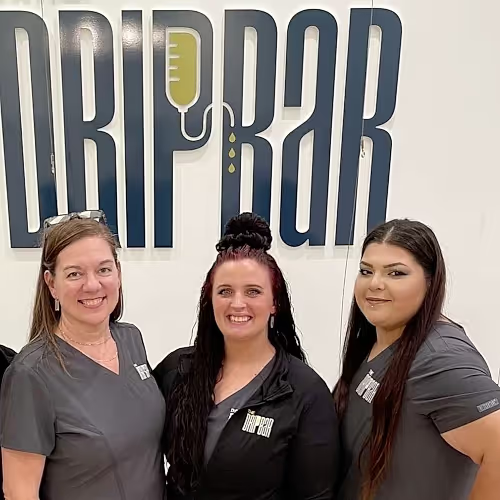
Clients often appreciate the calm, spa-like environment and the attentive care from the team. Kristina Myles, licensed provider, leads the clinical team and ensures every client receives personalized, top-tier care. Many return because they trust the consistency and expertise of the staff. Your comfort and safety are always the priority.
If you are new to The DRIPBaR, mention your goals and routines during intake. The team will help you choose an approach that fits your lifestyle. Your first visit can set the tone for future success.
Is L-Arginine right for your race week?
L-Arginine can be a supportive layer in your endurance training plan, especially when paired with hydration, fueling, and sleep habits. The most noticeable benefits come from consistency with the basics. If you are considering adding L-Arginine or an IV session to your race-week routine, discuss your goals and health history with a wellness specialist. They can help you build a plan that fits your needs and supports your readiness. Remember, the best results come from a simple, predictable routine. If you are in the Town and Country area, our team is here to help you feel prepared and confident for your next event.
Additional Related Resources
For a deeper understanding of how nitric oxide supports vascular relaxation and circulation, the Cleveland Clinic Journal of Medicine offers a helpful overview. Their article on nitric oxide and vascular relaxation basics explains the science behind why L-Arginine is linked to blood flow support, making it a valuable read for endurance athletes.
If you are interested in learning more about carbohydrate loading and its role in race-week readiness, the Mayo Clinic provides a clear guide. Their page on Mayo Clinic carbohydrate loading guide for endurance events covers practical strategies for maximizing glycogen stores before long events, which pairs well with hydration and circulation support themes.