
Clients from Town and Country often seek support for post-bariatric hair loss, looking for solutions that fit their recovery routines. The biotin shot is one option that can be discussed with your wellness team, especially if oral supplements are hard to tolerate. It is important to remember that hair shedding after bariatric surgery is common and usually temporary. Focusing on hydration, protein, and lab-guided supplementation can make a significant difference. Always coordinate with your bariatric team before adding new wellness services.
Hair shedding after bariatric surgery is often linked to telogen effluvium, a temporary shift in the hair growth cycle triggered by surgical stress and rapid weight loss. This phase can feel alarming, but it typically improves as your intake and lab values stabilize. Rather than panic-buying multiple supplements, focus on building a stable routine that supports your scalp and overall wellness. Protein, hydration, and consistent bariatric vitamins form the foundation for recovery. Targeted support tools, like biotin shots, are most effective when integrated into this broader plan.
Understanding Post-Bariatric Hair Loss
Post bariatric hair loss is most often caused by a combination of surgical stress, rapid weight loss, and changes in nutrition. Telogen effluvium, the most common pattern, involves more hairs than usual entering the resting and shedding phase. This process can start several months after surgery and may last for a few months before gradually improving. While the experience can be emotionally challenging, it is usually temporary and not a sign of permanent damage. The key is to support your body’s recovery with protein, hydration, and lab-guided routines.
Micronutrient Testing for Hair Loss
Micronutrient testing for hair loss is a crucial step after bariatric surgery. It helps identify deficiencies or borderline trends that may be contributing to shedding. Labs such as iron, ferritin, zinc, copper, vitamin B12, and vitamin D are commonly reviewed. This lab-guided approach allows for targeted adjustments rather than guessing based on symptoms alone.
Post Bariatric Hair Shedding
Post bariatric hair shedding is often delayed, starting three to six months after surgery. This timeline reflects the body’s response to surgical stress and rapid weight loss. Shedding can peak and then gradually ease as nutrition and labs stabilize. What you do today can influence your hair’s health months down the line.
Protein-first nutrition is a central pillar in supporting hair regrowth after bariatric surgery. Many programs set daily protein targets and encourage spreading intake throughout the day. Early stages may rely on protein liquids, progressing to soft and then regular proteins as tolerated. Consistency with protein helps maintain tissue health and supports the foundation for hair recovery. If protein intake is low, hair is not prioritized by the body, making adherence to your plan essential.
Hydration and electrolyte balance are often overlooked but play a key role in supporting overall wellness and hair routines. Bariatric clients are encouraged to sip fluids throughout the day rather than chugging. Separating fluids from meals and maintaining a steady intake can help avoid fatigue, headaches, and low intake days. Stable hydration supports better adherence to protein and supplement routines. When hydration is neglected, it becomes harder to maintain the habits that protect hair health. Electrolyte consistency is also important, especially as meal sizes and sodium intake change.
Telogen Effluvium After Bariatric Surgery
Telogen effluvium after bariatric surgery is a temporary hair shedding phase triggered by stressors like surgery and rapid weight loss. A larger percentage of hairs move into the resting phase, leading to noticeable shedding a few months later. This process is common and usually resolves as your body adapts and nutrition stabilizes. The most effective approach is to focus on routine stability, including protein, hydration, and bariatric vitamins. Avoid starting multiple new supplements at once, as this can cause digestive upset and confusion. Lab-guided adjustments are safer and more effective than guessing based on symptoms.
Biotin shots and IV drips, such as The Firm, are popular wellness tools for those experiencing post bariatric hair shedding. These options can be especially helpful for clients with pill fatigue or poor oral tolerance. They are best used as part of a broader, lab-guided plan that prioritizes protein and hydration. Remember, these services are supportive and not a replacement for your prescribed bariatric vitamins. Always consult your bariatric team before adding new wellness routines.
Supporting Hair Regrowth After Surgery
Many clients ask about the biotin shot as a way to support hair and scalp wellness after bariatric surgery. While biotin is a popular ingredient, it works best when combined with a stable foundation of protein, hydration, and consistent vitamins. The goal is to create an environment that supports regrowth, not to chase quick fixes. Patience and routine are key during this phase.
The Firm drip is a blend of Vitamin C, B-Complex, glutathione, and biotin, designed to support hair, skin, and nails wellness themes. This IV option is often chosen by clients who want a structured, supportive routine while working on their core bariatric plan. The antioxidants and B vitamins in The Firm may help support recovery from stress and promote overall scalp wellness. It is important to view The Firm as a complementary tool, not a guaranteed solution to hair shedding. Consistency with protein, hydration, and lab monitoring remains the most effective strategy. Individual results will vary, and improvement takes time.
The Role of Micronutrient Testing
Micronutrient testing helps clarify which nutrients may be low or trending downward. This information guides targeted adjustments to your supplement plan. Relying on symptoms alone can be misleading. Lab-guided routines are safer and more effective.
Iron, ferritin, zinc, and copper are key nutrients often reviewed when addressing post bariatric hair loss. Iron stores are especially important for hair follicle health, and deficiencies can go unnoticed without lab testing. Zinc and copper must be balanced, as supplementing one without the other can create new issues. Vitamin D, B12, and folate also play roles in supporting energy, blood health, and scalp wellness. Your bariatric team will individualize your lab panel based on your procedure, symptoms, and history. Regular monitoring helps catch trends early and supports a more stable recovery.
- Protein-first focus: Prioritize daily protein targets for tissue support.
- Hydration habits: Sip fluids consistently to maintain energy and routine stability.
- Bariatric vitamins: Take prescribed supplements as directed for micronutrient coverage.
- Lab-guided adjustments: Use recent labs to guide any changes in your supplement plan.
- Gentle scalp care: Avoid harsh styling and aggressive brushing to reduce breakage.
- Routine consistency: Stick to your plan and avoid adding multiple new products at once.
Bariatric Hair Shedding
Bariatric hair shedding can feel overwhelming, but it is usually a temporary phase. The most important steps are to maintain protein intake, hydration, and supplement routines. Avoid the temptation to try every new product or supplement at once. Biotin shots and IV drips can be supportive for those with pill fatigue or poor oral tolerance. Always coordinate with your bariatric team before making changes. Focus on building a stable routine that supports your body’s recovery.
Scalp wellness habits can make a difference in comfort and confidence during the regrowth phase. Use gentle cleansing and avoid tight hairstyles that stress the hairline. Minimize heat styling and use a wide-tooth comb for detangling. Consider a softer pillowcase to reduce friction. Nutrition consistency is more important than adding restrictive diets. These habits support hair quality while your body works through the natural hair cycle.
Tracking progress helps you feel in control during recovery. Take weekly photos in consistent lighting. Monitor protein and hydration for a few days each month. Keep a simple log of shedding patterns.
Hair shedding and hair breakage are different but can overlap after bariatric surgery. Shedding involves hair falling from the root, often seen in the shower or brush. Breakage happens along the strand due to dryness or tension. Supporting both follicles and strands with gentle care and nutrition is important. Your routine should address both aspects for best results.
Post Bariatric Hair Shedding
Mental support is vital during post bariatric hair shedding. Many people feel isolated, but this phase is common. Connecting with your healthcare provider can help you feel supported.
A recovery day routine can help anchor your wellness habits. Start your morning with early sipping and your first protein window. Take your bariatric supplements as instructed and include gentle movement if permitted. Continue your sip schedule and plan a second protein window by midday. If you have a wellness appointment, schedule it when you can rest afterward. In the afternoon, focus on hydration and a simple protein snack, and use gentle scalp care. Finish most fluids earlier in the evening to protect sleep, and wind down with a calm routine.
Safety is always the top priority during recovery. Contact your bariatric team if you experience persistent vomiting, severe pain, fainting, confusion, or new neurologic symptoms. Severe fatigue, chest pain, or rapid health changes also require prompt evaluation. Hair shedding alone is usually not urgent, but paired with other symptoms, it can signal a more serious issue. Do not hesitate to reach out if you are unsure. Your healthcare provider is there to support you through every phase.
Tracking progress without obsessing can help you stay motivated and informed. Take weekly photos to document changes in hair density and regrowth. Track your daily protein and hydration intake for a few days each month. Keep a simple log of high-shed versus normal-shed days. Note any changes in your supplement routine and lab trends. Avoid checking your scalp daily or making multiple product changes at once. Focus on gradual improvement and celebrate small wins along the way.
Lab-Guided Hair Wellness Planning
Many guests from Town and Country appreciate the convenience of having lab-guided hair wellness support close to home. Reviewing recent labs with your bariatric team helps clarify which nutrients need attention. This approach helps avoid unnecessary supplement stacking and supports safer, more effective routines. Your wellness plan should always be individualized. Consistent follow-up and communication with your healthcare provider are essential for long-term success.
Before booking a biotin shot or IV drip, check with your bariatric team to ensure you are cleared for elective wellness services. Ask about the best timing after your procedure and whether additional labs are recommended. Discuss any symptoms or concerns you have. This collaborative approach supports your safety and recovery.
Post Bariatric Hair Shedding
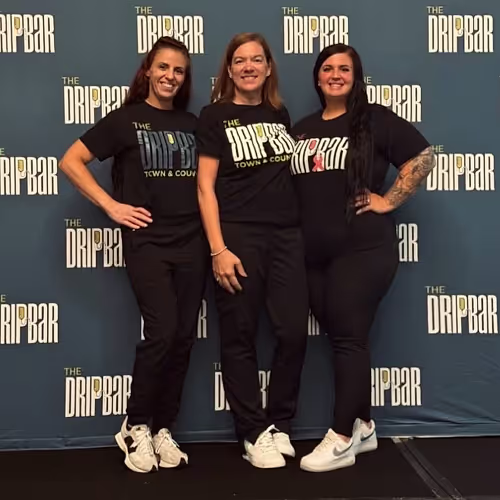
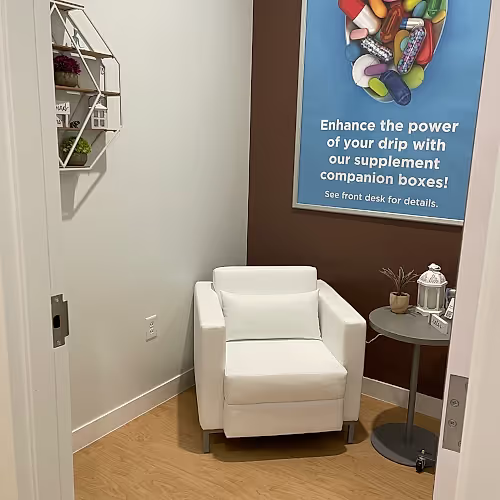
The DRIPBaR Town and Country offers a supportive, spa-like environment for clients seeking post bariatric hair wellness routines. Our team is dedicated to making you feel comfortable and informed. We provide personalized care and answer your questions every step of the way. Whether you are new to IV therapy or a returning guest, your experience is our priority. Our goal is to help you feel supported and confident in your recovery.
Our team includes experienced licensed providers and wellness specialists who understand the unique needs of bariatric clients. We take the time to review your goals, current routines, and any recent lab results. Kristina Myles, licensed provider, leads our clinical operations and ensures every client receives safe, personalized care. We encourage open communication and are always available to answer your questions. Your comfort and safety are at the heart of what we do. We look forward to supporting your wellness journey.
Micronutrient Testing for Hair Loss
Micronutrient testing is a valuable tool for identifying trends that may impact hair health. Your bariatric team will select the right panel based on your procedure, symptoms, and history. Common labs include iron, ferritin, zinc, copper, vitamin B12, folate, and vitamin D. Regular monitoring helps guide targeted adjustments. This approach supports safer, more effective routines.
Lab-guided planning helps avoid unnecessary supplements and supports a more stable recovery. It also allows your healthcare provider to catch trends early and adjust your plan as needed. Focus on consistency and communication with your team. This partnership is key to long-term wellness.
Post Bariatric Hair Shedding
Post bariatric hair shedding can be distressing, but it is often a temporary phase. Focus on building a routine that supports your body’s recovery. Protein, hydration, and consistent vitamins are the foundation. Lab-guided adjustments help address specific needs. Your healthcare provider is there to support you through every step. Do not hesitate to reach out with questions or concerns.
Realistic expectations are important during recovery. Improvement may be gradual, and shedding can continue for a time even with perfect routines. Celebrate small wins, such as improved protein consistency or better hydration. Over time, you may notice reduced shedding and signs of regrowth. Stay patient and trust the process.
Common mistakes during post bariatric hair recovery include skipping protein, inconsistent supplement routines, and starting multiple new products at once. Overusing caffeine or aggressive hair handling can also worsen shedding. Focus on building a stable routine and avoid making drastic changes. Tracking your habits and progress can help you stay on course. If you are unsure about any aspect of your plan, consult your healthcare provider for guidance.
A conservative scalp wellness stack for bariatric clients includes a sip schedule, protein windows, prescribed vitamins, and regular lab follow-ups. Optional support tools, like biotin shots or The Firm drip, can be added if you are cleared by your bariatric team. Introduce one new service at a time and track how you feel. The foundation of your plan should always be routine consistency and communication with your healthcare provider. This approach supports safer, more effective recovery.
Routine Anchors for Hair Wellness
A recovery day routine can help anchor your wellness habits after bariatric surgery. Start with early sipping and your first protein window. Take your supplements as instructed and include gentle movement. Consistency is key for long-term success.
Clients often ask about the biotin shot as a simple way to support hair and scalp wellness. It is best used as part of a broader routine that includes protein, hydration, and lab-guided supplements. Remember, patience and routine are essential for recovery. Focus on building habits that support your long-term goals.
Post Bariatric Hair Shedding
The Firm drip is a popular option for those seeking a structured, supportive routine. It combines antioxidants and B vitamins with biotin. This IV session can complement your core bariatric plan.
Before booking a wellness service, review your goals and current routines with your healthcare provider. Ask if you are cleared for elective services and whether additional labs are needed. Discuss any symptoms or concerns you have. This collaborative approach supports your safety and recovery. The DRIPBaR team is always available to answer your questions and help you choose the best approach. Your comfort and confidence are our priorities.
- Protein window planning: Schedule protein intake throughout the day for best results.
- Hydration tracking: Monitor fluid intake to support energy and recovery.
- Supplement adherence: Take bariatric vitamins as prescribed for micronutrient support.
- Routine consistency: Stick to your plan and avoid adding multiple new products at once.
Post Bariatric Hair Shedding
Tracking progress helps you stay motivated during recovery. Take weekly photos and monitor your habits. Celebrate small improvements along the way.
A soft wind-down routine in the evening can support sleep and overall wellness. Finish most fluids earlier to protect rest. Consistency with bedtime helps your body recover.
Safety is always the top priority during recovery. Contact your bariatric team if you experience persistent vomiting, severe pain, fainting, confusion, or new neurologic symptoms. Hair shedding alone is usually not urgent, but paired with other symptoms, it can signal a more serious issue. Your healthcare provider is there to support you through every phase. Do not hesitate to reach out if you are unsure.
If you are considering a new wellness service, start by reviewing your current plan with your healthcare provider. Introduce one change at a time and track how you feel. Focus on building a stable routine for long-term success. Your wellness journey is unique, and support is always available.
Connect With Our Wellness Team
If you are navigating post bariatric hair shedding, our team at The DRIPBaR Town and Country is here to support you. We offer a welcoming, spa-like environment and personalized care tailored to your needs. Whether you are new to IV therapy or a returning guest, we are dedicated to making you feel comfortable and informed. Reach out to connect with a team member who can guide your next steps at your own pace. Your comfort and confidence are our priorities. Let us help you build a routine that supports your wellness goals.
Ready to take the next step in your recovery journey? Confirm your preferred time for a visit and lock it in with our team. We will help you choose an approach that fits your lifestyle and supports your long-term goals. Your wellness plan should be individualized and guided by your healthcare provider. If you have questions or need support, we are always here to help. Let us be part of your routine as you work toward recovery and renewed confidence. Book your visit today for a supportive, restorative experience.