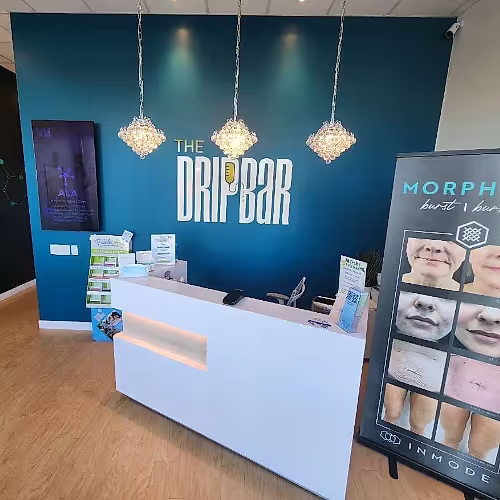

Many people in Town and Country notice increased hair shedding during stressful periods, especially when routines are disrupted. For those seeking answers, understanding the link between stress and hair changes is key. The body often responds to stress by shifting resources away from non-essential functions like hair growth. This can result in more noticeable shedding weeks after the stress begins. If you are curious about how stress impacts your hair, our page on stress-related hair loss offers a comprehensive look at causes and supportive strategies. Taking a systems-level view helps connect daily habits to hair wellness. Many clients find that small changes in hydration, nutrition, and relaxation routines make a real difference.
Why stress hair shedding happens
Stress hair shedding, also known as telogen effluvium, occurs when more hair follicles shift into a resting phase. This process can be triggered by emotional or physical stress, leading to increased shedding weeks later. The delay often surprises people. Shedding is usually diffuse, not patchy. Recognizing this pattern helps set realistic expectations.
Unlike genetic thinning, stress-induced shedding is often temporary. It is important to distinguish between shedding, thinning, and breakage. Stress can also worsen breakage by disrupting sleep and hydration. Identifying the true cause guides the right support plan. A wellness routine should address both stress and hair foundations.
Supporting hair shedding treatment
Effective hair shedding treatment starts with understanding the underlying stress triggers. Addressing both emotional and physical stress can help reduce the impact on hair cycles. Consistent hydration, balanced nutrition, and targeted supplements play a role in supporting hair health. Pairing these with relaxation techniques creates a more comprehensive approach. This combination supports the body’s recovery and hair quality.
What is telogen effluvium
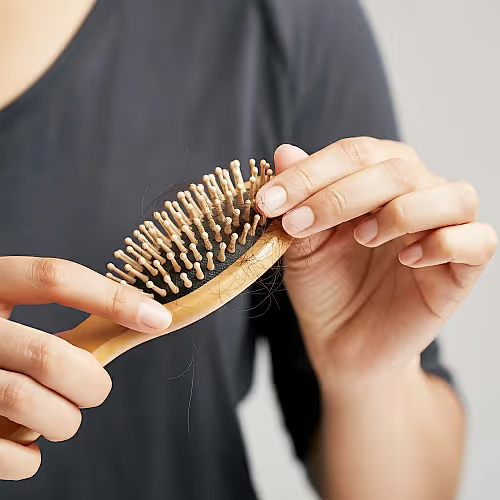
Telogen effluvium is a common cause of sudden hair shedding linked to stress, illness, or major life changes. During this process, more hair follicles enter the resting phase, resulting in increased shedding after several weeks. The change is often diffuse, affecting the entire scalp rather than specific spots. Many people notice more hair on brushes or in the shower. This can be alarming, but it is usually reversible with time and supportive care.
Stress hair shedding can be confusing because the effects are delayed. People may not connect a stressful event to increased shedding until months later. This lag makes it hard to pinpoint the cause. Understanding this timeline helps reduce anxiety and sets realistic expectations. Recovery often begins with improved sleep, nutrition, and hydration. Wellness routines that combine relaxation support and targeted nutrients are especially helpful. Consistency is key for gradual improvement.
Hair loss from stress explained
Hair loss from stress is not just about what happens on the surface. Stress can disrupt sleep, appetite, and hormone rhythms, all of which impact hair and scalp wellness. Elevated tension patterns and changes in daily routines may also play a role. The body prioritizes essential systems during stress, making hair one of the first areas to show changes. Addressing both stress and hair foundations supports overall recovery. This approach helps create a healthier scalp environment.
Many people try supplements or topical products without addressing the root causes of stress. Focusing only on hair can miss the bigger picture. Combining relaxation support, like IV drips with calming nutrients, and hair-focused strategies is more effective. This dual approach helps manage both the stress response and hair quality. It is important to remember that results vary. Consistency and patience are essential for meaningful change.
Hydration and nutrition are often overlooked in hair wellness routines. Dehydration can make hair feel brittle and increase breakage. Balanced meals with enough protein support hair strength and resilience. Simple routines, like drinking water throughout the day and adding protein to meals, make a difference. These habits support both recovery and hair appearance.
Nutrient strategies
Targeted nutrients like B vitamins, biotin, and vitamin C support hair foundations. These nutrients help energy metabolism and scalp comfort. They do not guarantee regrowth but can improve hair quality.
Minerals such as zinc also play a role in scalp wellness. Balanced intake is important to avoid disrupting mineral levels. Lab-guided planning is ideal for persistent thinning.
Pairing relaxation with hair support
Combining relaxation routines with hair-focused nutrients is a practical way to address stress-related hair loss. The anchor keyword, stress-related hair loss, highlights the importance of tackling both stress and hair health together. This approach helps clients feel more in control and supports gradual improvement.
At The DRIPBaR Town and Country, the Soother drip is designed to support nervous system calm and muscle relaxation. It features calming nutrients like magnesium and taurine, which help the body recover from stress. Clients often notice a sense of relaxation and improved sleep quality after sessions. The structured appointment creates a pause in busy routines. This recovery anchor pairs well with hair-focused nutrient strategies. Together, they support both emotional and physical wellness.
Magnesium IV drip benefits
Magnesium IV drips are often included in stress recovery routines for their calming effects. Magnesium supports normal nerve function and muscle relaxation. Many people find it helps ease tension patterns. It can also support better sleep during stressful periods.
- Calming support: Magnesium helps relax muscles and nerves.
- Sleep quality: Many notice improved rest after sessions.
- Tension relief: Eases jaw and neck tightness for some clients.
- Routine anchor: Provides a structured pause for recovery.
B vitamin shots for hair
B vitamin shots are commonly used to support energy metabolism and cellular function. These nutrients are especially important for high-turnover tissues like hair follicles. B vitamins do not promise instant regrowth, but they help create a healthier foundation. They are particularly useful during periods of poor nutrition or high stress. Consistent support can improve hair quality over time.
B vitamins are often included in beauty-focused IV routines for their role in supporting hair, skin, and nail health. They help convert food into usable energy, which is vital for active hair follicles. Folate and B12 are especially relevant for those with restrictive diets or fatigue. A balanced approach avoids supplement overload. Clients are encouraged to review their current supplements before adding more. This helps you avoid unnecessary stacking and supports a sustainable routine.
Biotin is a popular ingredient in hair and nail routines, but its role is often misunderstood. While biotin supports metabolic pathways and keratin infrastructure, deficiency is uncommon. High-dose biotin can interfere with lab tests, so it is important to inform healthcare providers if you use it. Biotin may help with nail strength and hair quality, especially when brittleness is a concern. It does not guarantee stopping stress shedding. Reviewing your supplement plan with a wellness specialist is always wise.
Vitamin C for recovery
Vitamin C is valued for its antioxidant support and role in collagen pathways. It helps protect the body from oxidative stress, which can increase during stressful periods. In hair wellness routines, vitamin C supports scalp comfort and skin structure. It also complements hydration and sleep improvements. Clients often notice a refreshed appearance when recovery habits improve. Vitamin C is best used as part of a balanced routine.
Antioxidant support from vitamin C can be especially helpful during high-stress seasons. It works alongside hydration and nutrient strategies to support internal resilience. While it does not promise hair regrowth, it helps the body manage stress load. Clients are encouraged to focus on consistency rather than perfection. This approach supports both hair and overall wellness. Results are gradual and depend on individual factors.
Zinc is another nutrient often discussed in hair and scalp routines. It supports immune function and tissue repair, which are important for scalp wellness. Excess zinc can disrupt mineral balance, so targeted use is best. Many people already get zinc from immune supplements. Lab-guided planning is recommended for persistent thinning. Balanced intake supports healthier hair and scalp.
Protein and energy availability are often overlooked in hair support routines. Hair is protein-based, so low intake can worsen fragility. Consistent protein at breakfast and lunch helps maintain hair strength. Simple snacks like yogurt or eggs are practical options.
Hydration is essential for both recovery and hair quality. Dehydration can increase scalp tightness and make hair feel brittle. Drinking fluids steadily throughout the day supports overall energy. Pairing hydration with routine anchors, like meals and bedtime, helps build consistency. IV hydration can be a helpful tool when oral intake is inconsistent.
Building a hair wellness routine
Clients from Town and Country and nearby areas often visit for a holistic approach to hair wellness. The DRIPBaR’s three-phase model helps structure routines for stress-shedding support. Phase one focuses on resetting stress and hydration habits. Phase two emphasizes rebuilding with targeted nutrients. The final phase maintains consistency and adapts to seasonal changes.
Choosing a routine you can maintain is key. Over-scheduling can increase stress and undermine progress. Simple, balanced plans are more sustainable. Clients are encouraged to track progress weekly. Adjustments are made based on individual needs.
Scalp wellness strategies
Scalp wellness is often overlooked during stressful seasons. Consistent cleansing and gentle care help reduce buildup and irritation. Avoiding harsh scratching and heavy products supports a calmer scalp. Clean hair tools and pillowcases regularly.
Stress can change scalp behavior, leading to more oil, flakes, or itch. Product buildup from dry shampoo and styling products is common. Infrequent washing may worsen irritation. A simple scalp routine supports fuller-looking hair. Clients are encouraged to rinse conditioner thoroughly and apply it mainly to the ends.
Reducing breakage is another important goal. Avoid tight hairstyles and high heat styling. Use gentle detangling, especially when hair is wet. Consider shorter trims for volume. These changes help hair look healthier while you recover.
Red light therapy for recovery
Red light therapy is a supportive tool for recovery and calmness. Many clients find the sessions relaxing and easy to maintain. This low-downtime option can complement stress-shedding routines. It supports scalp comfort and healthier-looking skin over time. Red light therapy is not a guaranteed hair regrowth service.
Pairing red light therapy with Soother drips creates a structured pause in busy routines. Both support the recovery track. Consistency is more important than frequency. Clients are encouraged to choose what fits their lifestyle.
Wellness routines work best when they are simple and repeatable. Adjust your plan as stress levels and seasons change. Focus on hydration, protein, and scalp comfort. Reassess if shedding persists beyond a reasonable window.
What to expect
Clients may notice feeling calmer or less tense after starting relaxation-focused routines. Improved hydration and sleep can lead to a better sense of control. Scalp comfort and hair softness often improve before shedding decreases. Visible changes in hair density take longer. Results are typically gradual and measured over weeks to months. Setting realistic expectations helps reduce disappointment.
Stress-related shedding often improves as recovery habits become consistent. The most effective plans combine relaxation support and hair foundation routines. The goal is a calmer system and healthier-looking hair over time. Results vary based on individual factors. Patience and consistency are key.
Common mistakes include starting too many supplements at once or expecting instant results. Overusing styling products can worsen scalp irritation. Tight hairstyles and harsh scalp scrubs increase breakage. Focus on gentle routines and realistic timelines for best outcomes.
Maintaining progress and routine consistency
Maintaining progress with stress-shedding routines requires ongoing attention to both relaxation and hair foundations. Regular check-ins help identify what is working and where adjustments are needed. Clients are encouraged to keep routines simple and avoid panic changes. Seasonal shifts in work, travel, or sleep may require plan updates. Consistency with hydration, protein, and scalp care supports lasting results. The DRIPBaR team is available to help clients adapt their routines as needed.
Tracking stress-related hair loss over time helps set realistic expectations. Many people notice improvements in how their hair feels and looks before seeing changes in shedding. Focus on gradual progress rather than quick fixes.
Clients are encouraged to reach out with questions or concerns about their routines. The DRIPBaR team offers guidance on hydration, nutrition, and relaxation strategies. Personalized support helps clients stay on track. Building a routine that fits your lifestyle is the most sustainable approach. Small adjustments can make a meaningful difference.
Routine support tips
Hydrate consistently throughout the day for best results. Prioritize protein at meals to support hair strength. Rotate hairstyles to reduce tension. Keep scalp care gentle and regular.
Schedule wellness appointments during high-stress weeks. Review supplements with a wellness specialist. Adjust routines as needed for seasonal changes.
- Hydration anchors: Drink fluids at meals and bedtime.
- Protein snacks: Choose yogurt, eggs, or shakes for convenience.
- Gentle cleansing: Wash scalp regularly to reduce buildup.
- Rotate styles: Avoid tight ponytails and buns daily.
- Heat styling limits: Lower temperature settings when possible.
- Supplement review: Avoid stacking too many products at once.
- Track progress: Monitor changes weekly, not daily.
- Ask for help: Reach out to the team with questions.
When to seek help
Seek medical evaluation if hair loss is patchy, rapid, or associated with scalp pain or infection signs. Persistent shedding despite routine changes may need lab testing. Red flags include scarring, shiny scalp areas, or systemic symptoms like unexpected weight changes. New medications can also trigger hair changes. Licensed professionals can help identify the underlying cause. Wellness support can complement medical care but does not replace assessment.
Clients with ongoing concerns are encouraged to discuss their symptoms with a healthcare provider. The DRIPBaR team can help coordinate supportive routines. Early evaluation helps guide the most effective plan. Combining medical and wellness support offers a balanced approach. Focus on gradual, sustainable progress.
Hair wellness is a journey, not a quick fix. Consistency and patience are essential for meaningful change. Support is available every step of the way. Reach out with questions or to schedule a visit.
Ready to start your routine
Curious about building a stress-shedding routine? Share your questions or concerns with our team. We are here to help you find the best approach for your needs.
Additional Related Resources
For more information on biotin’s role in hair and nail routines, the NIH offers a helpful overview. Learn about biotin support and lab test awareness to make informed choices about supplements.
Understanding the importance of protein in hair wellness is also valuable. The Harvard T.H. Chan School of Public Health provides a clear summary of protein basics for hair foundation support and practical tips for daily nutrition.