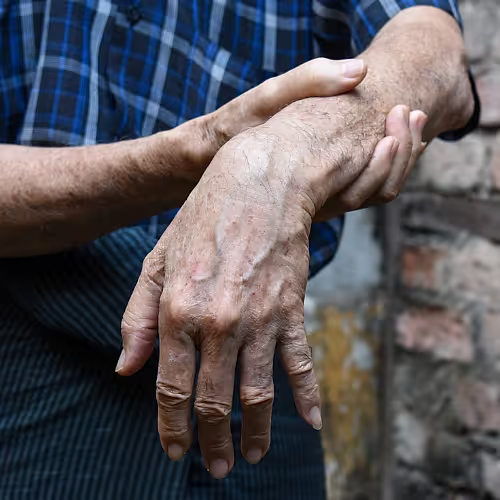

Is nerve recovery taking longer than expected?
After a flare-up or new assessment, slow nerve recovery can be discouraging. Many people notice persistent fatigue or changes in sensation that disrupt routines. Finding ways to support your body’s natural repair process is a common concern.
Restore Balance and Nerve Function
Integrated wellness strategies.
Our team offers integrative therapies that focus on supporting nerve health and reducing neurological inflammation. By delivering nutrients and antioxidants directly, these services may help promote nerve repair and manage lingering fatigue. Consistent sessions are designed to enhance clarity, energy, and overall wellness. Each approach is tailored to your unique needs and works alongside your ongoing medical care.
The DRIPBaR Town and Country provides a welcoming space for clients seeking additional support during recovery. Our licensed providers guide you through each session, ensuring comfort and safety. Regular visits may help stabilize symptoms and encourage steady progress. Schedule your appointment today to explore how we can support your recovery.
Did you know?
Some demyelinating conditions can cause sudden vision loss or muscle weakness, affecting daily activities for people of all ages.
What Are Demyelinating Conditions?
Unlike many neurological issues that progress slowly, demyelinating conditions often cause rapid changes by damaging the myelin sheath around nerves. This loss of insulation disrupts how electrical signals move between the brain, spinal cord, and body, leading to a wide range of symptoms. Disorders such as neuromyelitis optica spectrum disorder, acute disseminated encephalomyelitis, and transverse myelitis can result from immune system reactions, infections, or unknown triggers. The impact varies, but nerve communication is always affected.
Triggers may include immune shifts, recent illnesses, or genetic predisposition. Management typically involves reducing inflammation, avoiding relapses, and supporting nerve repair through a combination of therapies. Monitoring symptoms and maintaining a steady wellness routine can help individuals adjust to changes over time. Responsible care means working closely with healthcare providers and considering supportive therapies as part of a comprehensive plan.
Symptoms of Demyelinating Conditions
Symptoms of demyelinating conditions can appear suddenly and differ based on which nerves are involved. Many experience muscle weakness, numbness, or tingling, sometimes in just one limb or side of the body. Vision problems, such as blurred or lost vision, are frequent and may develop quickly. Fatigue and trouble concentrating can also become more noticeable over time.
Balance and coordination issues may arise, making walking or daily tasks more difficult. Sensory changes, like burning or prickling sensations, can occur in various areas. Persistent nerve pain is common and can be challenging to manage. Emotional shifts, including mood swings or low mood, sometimes accompany physical changes.
Symptoms may come and go, with periods of worsening followed by partial improvement. Relapses can be triggered by infections, stress, or other health changes. Both children and adults may experience unique symptom patterns, but long-term effects are possible for anyone. Early recognition and ongoing support are key to managing these challenges.
Traditional Treatments
Care for demyelinating conditions usually centers on reducing inflammation and protecting nerves from further harm. Medications like corticosteroids or immunosuppressants are often prescribed to calm immune activity. During acute episodes, plasma exchange or intravenous therapies may be used to address severe symptoms. Rehabilitation, including physical and occupational therapy, helps restore function and independence. Ongoing management focuses on symptom control and improving daily quality of life. Regular check-ins allow for adjustments to treatment as needs change. Supportive therapies, such as nutritional support and stress reduction, can play a role in overall wellness. Collaboration with healthcare providers ensures care is tailored to each person’s situation.
How IV Therapy May Help
Are you looking for ways to support your recovery from a demyelinating condition? Targeted nutrients and hydration delivered through IV therapy may help you feel more balanced and resilient. These services are designed to complement your existing care and can help address fatigue, support nerve health, and promote steady energy. Regular sessions provide ongoing benefits while respecting your primary treatment plan. After an acute episode or during recovery, supportive therapies can help you regain strength and clarity. Our approach emphasizes safe, supervised care and professional guidance. By focusing on replenishing key nutrients and reducing oxidative stress, these services aim to promote resilience and well-being. Consistent wellness habits can make a difference in managing symptoms and adapting to daily life.
Therapies That Support Nerve Wellness
Certain wellness therapies can help manage oxidative stress and encourage nerve repair. These options may assist with fatigue and promote mental clarity. Regular use is intended to complement your ongoing recovery.
Alpha Lipoic Acid (ALA)
Alpha Lipoic Acid (ALA) is a unique antioxidant that supports energy metabolism and cellular protection. It works in both water and fat environments to neutralize free radicals and regenerate other antioxidants. Delivered via IV, this therapy enhances mitochondrial function and metabolic balance. It also supports nerve and tissue health by reducing oxidative damage. This infusion is designed for individuals seeking comprehensive antioxidant and energy support. It may benefit those with metabolic or neurological concerns. The therapy is tailored to individual needs.
Ozone Therapy
Ozone Therapy involves a controlled infusion of medical-grade ozone into a small sample of your blood, which is then reinfused to support your body’s natural defenses. This process helps improve oxygen delivery, stimulate antioxidant systems, and balance inflammation. It is designed to promote metabolic repair and enhance overall vitality. Licensed providers guide each session to ensure safety and comfort. Many clients use this therapy as part of a broader wellness routine to support recovery and energy. The treatment is gentle and non-pharmaceutical, suitable for adults seeking proactive health support.
The Drip Bar in Town and Country is the best. If you haven’t been yet, it’s definitely a must-visit.
Great first visit all are very friendly
Helpful and professional staff, friendly environment, great and speedy service, free water&snacks 😅, can't ask for more! if you ain't Drippin you Trippin
Ready to Get Started?
Feel your best with a treatment designed to support your goals! Whether you’re looking for hydration, energy, immune support, recovery, or overall wellness, our team will help you choose the right option and make sure your experience is comfortable from start to finish. Click the Book Appointment button below to pick your reserve a time that fits your schedule.