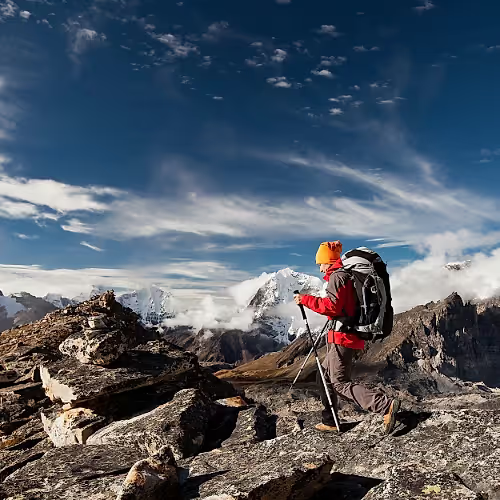

Feeling unwell after reaching high altitudes?
When you arrive at a higher elevation, your body must quickly adapt to less oxygen. This adjustment can cause symptoms like headache, fatigue, and nausea. Recognizing these early signs helps you take steps to feel better and stay safe.
Hydration and Nutrients for Altitude Relief
Support for altitude adjustment.
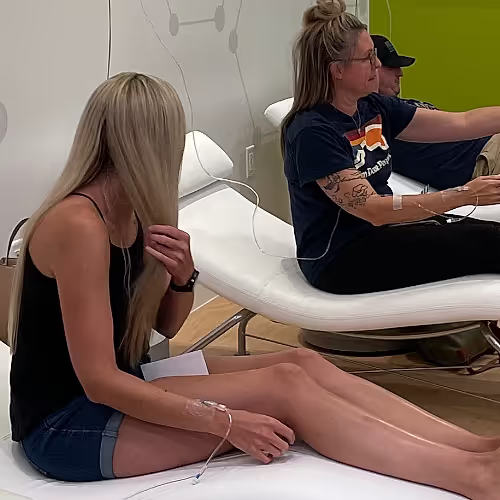
IV therapies offer a way to help your body adjust to high elevations by replenishing fluids, restoring electrolytes, and providing nutrients that aid oxygen delivery. This approach may relieve symptoms such as headache, tiredness, and shortness of breath, while also supporting faster adaptation. By addressing dehydration and oxidative stress, IV support can help you feel more at ease during your time in the mountains. Many people appreciate this option for maintaining energy and comfort when traveling or working at altitude.
The DRIPBaR Town and Country provides IV therapies designed to help you prepare for or recover from time spent at high elevations. Whether you are planning a trip or need support after arrival, our team will guide you through options suited to your needs. Book your appointment today to experience the benefits of targeted hydration and nutrient support. Take the next step toward a more comfortable high-altitude experience.
Did you know?
Even experienced athletes can develop altitude sickness if they ascend too quickly.
What Happens at High Elevations
When you reach higher altitudes, the air contains less oxygen, making it harder for your body to deliver oxygen to tissues. This change can disrupt normal body functions and lead to symptoms like headache, dizziness, and fatigue. Altitude sickness, also called acute mountain sickness, usually appears within hours of arrival and can range from mild to severe. Understanding your body’s response is key to managing symptoms and staying healthy.
Rapid ascent, intense activity, and dehydration are common triggers, especially if you do not allow time to acclimate. Practical steps include ascending gradually, drinking plenty of fluids, and limiting strenuous exercise at first. If symptoms appear, rest and hydration are important, and medical attention may be needed if they worsen. Being aware of these factors helps you make safer choices when spending time at elevation.
Common Symptoms of Altitude Sickness
Altitude sickness often begins with headache, nausea, and dizziness as your body adjusts to lower oxygen. Fatigue and shortness of breath may follow, making even simple activities feel more difficult. Swelling of the hands, feet, or face and trouble sleeping are also common early signs. These symptoms signal your body’s need for more time to adapt.
Ignoring symptoms or continuing to ascend can lead to more severe problems, such as confusion, difficulty walking, or persistent vomiting. Rare but serious complications include high-altitude cerebral or pulmonary edema, which require immediate medical care. Insomnia and loss of appetite are also frequent, especially during the first days at elevation. Recognizing these signs early allows for prompt action and safer outcomes.
Not everyone experiences the same symptoms, and their intensity can vary depending on how quickly you ascend and your personal risk factors. Some people have only mild discomfort, while others develop more pronounced effects. Paying attention to your own response and adjusting your activities can make a big difference. Early intervention and proper care are essential for a safer experience at altitude.
Traditional Treatments
The main approach to altitude sickness is to rest, hydrate, and give your body time to adjust after arriving at high elevation. Gradual ascent is best, allowing your system to adapt to lower oxygen levels. Over-the-counter pain relievers may help with headaches, and anti-nausea medications can ease stomach upset. Oxygen therapy is sometimes used for more severe symptoms. If symptoms do not improve or get worse, descending to a lower elevation is the most effective treatment. In some cases, prescription medications like acetazolamide or dexamethasone may be recommended to speed up acclimatization or reduce inflammation. Serious complications such as high-altitude cerebral or pulmonary edema need urgent medical attention and rapid descent. Supportive care, including hydration and rest, remains central for managing mild-to-moderate altitude sickness.
How IV Therapy May Help
IV therapy at The DRIPBaR is designed to restore hydration, balance electrolytes, and deliver nutrients that help your body use oxygen more efficiently. This method may reduce the effects of dehydration and oxidative stress, which are common at higher elevations. By providing fluids and targeted nutrients directly into your bloodstream, IV therapy can offer quicker relief from symptoms like fatigue and headache. Many people notice improved comfort and stamina after treatment, with ongoing benefits possible through continued support. Our services are tailored to help you prepare for or recover from altitude exposure, whether you are traveling, working, or participating in alpine activities. Licensed providers oversee each session to ensure safety and the right fit for you. While IV therapy is not a substitute for acclimatization or emergency care, it can be a valuable addition to your wellness plan. Results vary, so we recommend discussing your needs with our team to find the best approach for you.
IV Therapy for Altitude Adaptation
Specialized IV therapies can help restore hydration, support nutrient balance, and aid recovery for those experiencing symptoms at high elevations. These offerings work alongside your body’s natural adaptation process. By targeting key needs, IV support may ease discomfort and help you adjust more smoothly.
Restoration
Restoration is designed to quickly restore hydration and vital nutrients to support overall wellness. It delivers antioxidants, vitamins, and minerals such as Vitamin C, Magnesium, and Zinc directly into the bloodstream. This therapy helps improve energy levels, reduce fatigue, and support immune function. It also aids muscle relaxation and cognitive clarity. Suitable for those recovering from stress or physical exertion, it promotes balanced cellular function and recovery.
The Drip Bar in Town and Country is the best. If you haven’t been yet, it’s definitely a must-visit.
Great first visit all are very friendly
Helpful and professional staff, friendly environment, great and speedy service, free water&snacks 😅, can't ask for more! if you ain't Drippin you Trippin
Ready to Get Started?
Feel your best with a treatment designed to support your goals! Whether you’re looking for hydration, energy, immune support, recovery, or overall wellness, our team will help you choose the right option and make sure your experience is comfortable from start to finish. Click the Book Appointment button below to pick your reserve a time that fits your schedule.