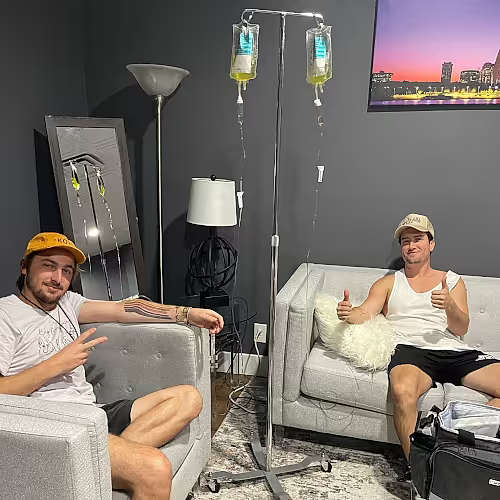

Is recovery taking longer than expected?
Many people face ongoing fatigue and nutrient challenges after gastric surgery. These issues can slow recovery and make daily life more difficult. With the right support, gradual improvements in energy and wellness are possible.
Restore Balance and Support Recovery
Comprehensive recovery solutions.
Recovering from gastric surgery often requires more than just rest, as the body’s ability to absorb nutrients is changed. The DRIPBaR Town and Country provides specialized support to help address hydration, replenish essential vitamins, and promote tissue repair. Our approach is designed to help manage common symptoms like low energy, dizziness, and slow recovery by delivering nutrients directly into the bloodstream. This method can help bypass digestive limitations and support a smoother recovery process.
At The DRIPBaR Town and Country, clients receive individualized care plans tailored to their unique needs and recovery goals. Licensed providers monitor each session for safety and comfort, ensuring a supportive environment throughout the recovery journey. We focus on helping you regain energy and maintain wellness as you adapt to new dietary routines. Book your appointment today to begin your personalized recovery support.
Did you know?
Nutrient absorption is often reduced after gastric surgery, making ongoing support essential for long-term health.
Key Facts About Gastric Surgery
Gastric surgery includes procedures such as gastric bypass, sleeve gastrectomy, and adjustable gastric banding, all aimed at supporting weight loss and metabolic health. These surgeries alter the digestive system by reducing stomach size or bypassing parts of the intestines, which can limit how well the body absorbs nutrients. As a result, people may experience deficiencies in vitamins and minerals, leading to symptoms like fatigue, anemia, and slower recovery. Ongoing care is important to address these challenges and help the body recover.
Triggers for post-surgical issues often include dietary changes, reduced appetite, and difficulty with oral supplements. Managing these challenges involves regular bloodwork, dietary adjustments, and targeted supplementation to fill nutrient gaps. Monitoring hydration and immune health is also key, as these factors can affect recovery speed and comfort. With the right strategies, most people can adapt to new routines and maintain their health after surgery.
Common Symptoms of Poor Recovery
In the early weeks after gastric surgery, fatigue and low energy are common as the body adapts to new nutrient absorption patterns. Dizziness or lightheadedness may also occur, often linked to hydration changes or nutrient loss. Digestive discomfort, such as nausea or trouble tolerating certain foods, is frequently reported. These symptoms can vary in intensity as recovery progresses.
Over time, some individuals notice hair thinning, muscle weakness, or delayed wound repair if nutrient deficiencies persist. Vitamins like B12, iron, calcium, and vitamin D are especially important, as their absorption is often reduced after surgery. Mood changes or difficulty concentrating can also develop, sometimes related to both physical and nutritional shifts. Early recognition and management of these symptoms may help you avoid further complications.
Long-term, maintaining adequate nutrition and hydration remains a challenge for many. Regular monitoring and proactive support are essential to minimize risks such as anemia, bone loss, or immune weakness. By staying attentive to changes and seeking appropriate care, most people can manage symptoms and support their recovery.
Traditional Treatments
After gastric surgery, standard care focuses on dietary changes, lifelong nutritional supplementation, and regular bloodwork to monitor for deficiencies. Oral supplements for vitamins and minerals such as B12, iron, calcium, and vitamin D are commonly recommended, along with increased protein intake to help with recovery. Hydration management is also a priority, as fluid needs may shift after surgery. For those who struggle to absorb nutrients or tolerate oral supplements, alternative methods like IV nutrient therapy may be considered. This approach delivers vitamins and minerals directly into the bloodstream, bypassing digestive limitations. Ongoing follow-up with healthcare providers helps ensure nutrient levels remain stable and any new issues are addressed quickly. Consistent care and monitoring are important for achieving the best possible outcomes.
How IV Therapy May Help
The DRIPBaR offers services that deliver targeted nutrients, hydration, and antioxidants directly into the bloodstream for those recovering from gastric surgery. This approach can help address deficiencies, support tissue repair, and promote immune balance, especially for individuals who have trouble with oral supplements. Each session is supervised by licensed providers and tailored to individual needs, with careful monitoring for safety and comfort. By focusing on replenishing key vitamins and minerals, clients may notice improved energy and gradual recovery. Our services work alongside traditional recovery strategies to provide additional support for hydration and nutrient status. Some benefits, like increased energy, may be felt soon after sessions, while others, such as improved stamina or wound repair, may develop over time. The DRIPBaR team collaborates with clients to help them reach their wellness goals in a safe, supportive setting. This balanced approach helps individuals manage the challenges of post-surgical recovery with confidence.
Wellness Solutions for Surgical Recovery
Specialized wellness services can help support recovery after gastric surgery by providing hydration, nutrients, and immune support. These options address common concerns like fatigue and nutrient gaps. Personalized plans ensure care is tailored to each person’s needs.
Pre/Post-Op
Pre/Post-Op is an intravenous therapy that delivers essential vitamins and minerals directly to the bloodstream to support surgical recovery. Key ingredients such as Ascorbic Acid, Magnesium, and Zinc promote tissue repair, immune function, and energy replenishment. This therapy helps reduce oxidative stress caused by surgery and anesthesia. It is suitable for individuals preparing for surgery or recovering from various procedures. The infusion supports recovery and improved resilience during the recovery period.
Read moreRed Light Therapy
Red Light Therapy delivers red and near-infrared light to the skin and underlying tissues to stimulate mitochondrial function and enhance cellular repair. This treatment promotes collagen synthesis and helps modulate inflammation, supporting tissue strength and comfort. Sessions are brief, typically lasting 10 to 20 minutes, and require no downtime. Regular use can improve skin resilience and aid recovery from physical stress. The therapy suits various wellness goals and fits easily into busy lifestyles. It is often combined with other treatments for enhanced benefits. This gentle approach offers a relaxing experience while supporting natural recovery processes.
The Drip Bar in Town and Country is the best. If you haven’t been yet, it’s definitely a must-visit.
Great first visit all are very friendly
Helpful and professional staff, friendly environment, great and speedy service, free water&snacks 😅, can't ask for more! if you ain't Drippin you Trippin
Read more
Ready to Get Started?
Feel your best with a treatment designed to support your goals! Whether you’re looking for hydration, energy, immune support, recovery, or overall wellness, our team will help you choose the right option and make sure your experience is comfortable from start to finish. Click the Book Appointment button below to pick your reserve a time that fits your schedule.