
Many clients from Town and Country appreciate having a clear plan during challenging weeks. If you are experiencing a interstitial cystitis flare up, this guide offers a practical approach to managing symptoms. It is not a substitute for medical care, but it can help you navigate daily routines more easily. The checklist is designed to simplify choices and support your wellness habits. Always seek professional guidance if your symptoms are new, severe, or rapidly changing.
This checklist is built around four pillars: hydration, gentle movement, stress support, and comfort routines. Each pillar addresses a key aspect of symptom management and helps create a stable environment for your body. By following these steps, you can reduce symptom triggers and make daily life more manageable. Remember, the goal is not perfection but steady, supportive progress. Adjust the plan as needed to fit your unique needs and comfort level.
IC flare-up checklist essentials
During a flare week, simplifying your daily routine can make a significant difference. Start each morning by assessing your symptoms and selecting your flare tier, mild, moderate, or high-intensity. This helps guide your pacing and helps avoid overexertion. Consistent hydration is key, but avoid chugging; steady sips throughout the day help maintain comfort. Gentle movement, such as short walks or stretches, supports circulation and reduces stiffness. Scheduled stress breaks and comfort routines, like using heat or wearing loose clothing, can ease tension. Protecting sleep by tapering fluids in the evening and winding down with calming activities is also important. Track only what helps you make better decisions for the next day.
Managing IC flare symptoms
Hydration is the foundation of IC flare management. Aim for steady, frequent sips rather than large amounts at once. This helps avoid swings in urine concentration that can irritate the bladder. Pair fluids with meals and snacks, and taper intake in the evening if nighttime urgency is a concern. Use urine color as a rough guide, aiming for a stable middle shade. If urgency increases, try smaller sips more often and pair hydration with snacks.
IC flare-up checklist strategies
During flare week, avoid testing new foods or supplements. Keep your routine stable to let your body settle. Make only one change per day so you can see what helps. Small, frequent actions are more effective than big, occasional efforts.
Gentle movement supports comfort without adding stress. Low-intensity, short-duration activities like slow walking or seated stretches may help you avoid stiffness and constipation. Pause high-impact workouts and aggressive stretching during flare week. Focus on posture resets and brief mobility sessions. If symptoms rise after activity, reduce the duration next time.
Bladder pain syndrome flare support
Stress support is a practical tool for managing urgency and pain. Use long-exhale breathing to calm your nervous system. Schedule short breaks throughout the day for relaxation.
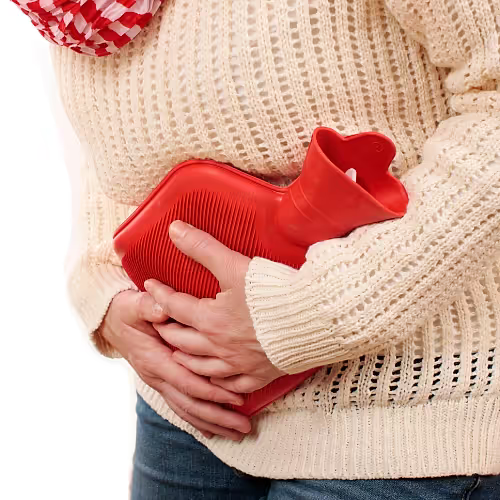
Comfort routines can make daily life easier during a flare. Heat packs, loose clothing, and supportive cushions help reduce discomfort. Create a “flare station” with essentials like water, snacks, and a heating pad nearby. Use a bathroom routine that includes relaxing your belly and taking long exhales before and after urinating. Adjust your environment to minimize friction and pressure. These small changes can add up to greater comfort and less stress.
IC flare remedies and routines
On days when an interstitial cystitis flare up is at its peak, focus on hydration, gentle movement, and stress support. Steady sips of water can help stabilize urine concentration, while short walks or seated stretches keep your body from becoming stiff. Use heat or cold packs to manage discomfort, and try to keep your environment calm and low-stimulation. Schedule micro-breaks for breathing or relaxation to help downshift your nervous system. Avoid new foods or supplements during this time. Track only the actions that seem to help, and adjust your plan as needed.
Pelvic relaxation is a core part of symptom management. Practice relaxing your jaw, belly, and glutes, and imagine your pelvic floor widening. Use gentle breathing to help muscles release tension.
Sleep protection is essential during flare weeks. Begin tapering fluids two to four hours before bed if nighttime urgency is an issue. Choose calming wind-down routines, such as gentle stretching or reading, to prepare your body for rest. If you wake during the night, keep lights low and use long exhales to return to sleep. Avoid screens and take only small sips of water if you are thirsty. Consistent sleep routines can help reduce pain sensitivity and support recovery.
IC flare management checklist
A daily flare-week schedule can simplify your routine. Start with a morning reset: hydrate, breathe, and move gently. Use midday for maintenance, including posture checks and stress breaks. In the evening, focus on comfort and sleep preparation.
Symptom-specific checklists help you match tools to your loudest symptom. For burning, focus on hydration and avoid acidic drinks. For pressure, use heat and cushion support. For urgency, try smaller sips and long-exhale breathing. Nighttime symptoms benefit from early hydration taper and calming routines.
IC flare diet and hydration tips
During flare week, return to your safe base meals and avoid new foods or beverages. Simple proteins, starches, and cooked vegetables are often well tolerated. Eat regular meals to help avoid long fasting windows that can worsen symptoms. Support bowel regularity with gentle fiber and hydration. Avoid spicy or acidic foods if they have triggered symptoms in the past.
Minimal tracking is best during a flare. Use a short daily tracker to monitor pain, urgency, and hydration. Record only what helps you adjust your plan. Weekly reviews can highlight which habits made the biggest difference.
Transition slowly after a flare week. Keep hydration and gentle movement steady as you return to normal routines. Reintroduce foods or activities one at a time. This helps you avoid rebound flares and supports ongoing stability.
IC flare-up checklist takeaways
A structured checklist can make flare weeks less overwhelming. Focus on steady hydration, gentle movement, and comfort routines. Adjust the plan to fit your needs each day.
Common mistakes during flare week include chugging fluids, cutting hydration too much, or stopping all movement. Instead, aim for steady sips, stable meals, and gentle activity. Avoid testing new foods or supplements. Use scheduled breaks and comfort tools to support your body. Protect sleep by tapering fluids and winding down early. Small, consistent actions are more effective than drastic changes.
Communication scripts can help you explain your needs to others. Share your plan with family, work, or your healthcare provider. Clear communication reduces stress and helps others support you.
Comfort routines for IC flare management
Clients from Town and Country often tell us that having comfort routines ready makes flare weeks less stressful. Whether it is a favorite heating pad, a quiet space, or a supportive cushion, these small touches can make a real difference. Creating a personalized comfort menu helps you respond to symptoms quickly. Track which tools work best for you and keep them within easy reach. Over time, you will develop a set of go-to routines that support your well-being.
A transition plan is important after a flare. Gradually return to regular activities and reintroduce foods one at a time. Continue gentle movement and hydration to maintain stability.
IC flare-up checklist for daily life
A daily flare calm kit can help you feel prepared. Include items like a water bottle, gentle snacks, a heating pad, and comfortable clothing. Keep your kit in an easy-to-reach spot. Use it whenever symptoms rise or you need extra support. Having these essentials ready reduces stress and decision fatigue.
Supportive routines can be tailored to your needs. Try pairing heat with breathing exercises for extra comfort. Use a posture cue chain, such as relaxing shoulders when you refill your water. Reduce social and mental load by postponing non-urgent tasks. These small adjustments can help your body settle during a flare week. Track what works so you can refine your plan over time.
IC flare comfort strategies
Comfort routines are highly individual. Experiment with heat, cold, or different seating options to find what helps. Adjust clothing and environment for maximum ease.
A supportive environment can make a big difference during flare weeks. Set up a dedicated space with your comfort kit and calming tools. Use low lighting and minimize noise when possible. Plan for regular breaks to rest and reset. Encourage family or housemates to support your routines. Consistency helps your body and mind recover.
After a flare, review what worked best. Keep the habits that supported your comfort and stability. Gradually add back activities and foods, watching for any symptom changes. Maintain sleep protection and hydration for another week. This approach helps you avoid rebound flares and supports long-term wellness.
IC flare-up checklist reminders
A flare-week checklist is most effective when it is simple and repeatable. Focus on the basics and adjust as needed. Keep your comfort kit and routines ready.
Track only what helps you make better decisions. Use brief notes to identify patterns and refine your plan. Over time, you will learn which actions support your recovery.
IC flare-up checklist for symptom relief
A seven-day flare plan can guide your recovery. Start with a reset day focused on safe meals and hydration. Add consistency by repeating helpful routines. Refine comfort tools and expand gentle movement as symptoms stabilize. Prioritize sleep protection and review your progress midweek. Plan a gradual transition back to normal activity. This structure supports steady improvement.
If you are managing an interstitial cystitis flare up, remember that small, steady actions often work best. Use the checklist to guide your daily choices and adjust as needed. Consistency and patience are key to supporting your comfort.
IC flare-up checklist mistakes
Common mistakes include chugging fluids to flush symptoms, drastically cutting hydration, or stopping all movement. Instead, focus on steady sips, stable meals, and gentle activity. Avoid testing new foods or supplements during a flare. Use comfort routines and scheduled breaks to support your body. Protect sleep by tapering fluids and winding down early.
Tracking should be brief and focused on what helps you make better decisions. Use a daily tracker to monitor pain, urgency, and hydration. Record flare events and what changed in the last day. Review your notes weekly to identify which habits made the biggest difference. Adjust your plan based on these insights. Over time, you will develop a personalized approach that supports your well-being.
- Hydration focus: Steady sips throughout the day support comfort.
- Gentle movement: Short walks and stretches help reduce stiffness.
- Stress breaks: Scheduled relaxation supports your nervous system.
- Comfort tools: Heat, cold, and cushions can ease discomfort.
- Sleep protection: Taper fluids and use calming routines before bed.
- Stable meals: Return to safe base foods during a flare.
- Minimal tracking: Record only what helps you adjust your plan.
IC flare-up checklist summary tips
A structured checklist can make flare weeks less daunting. Focus on hydration, gentle movement, and comfort routines. Adjust your plan as symptoms change. Keep your comfort kit ready for quick support.
Transition slowly after a flare week to avoid rebound symptoms. Maintain steady hydration and gentle movement as you return to normal routines. Reintroduce foods or activities one at a time. Continue sleep protection and supportive routines for another week. This gradual approach helps maintain stability.
Communication is key during flare weeks. Share your plan with family, work, or your healthcare provider to reduce stress and get support. Use simple scripts to explain your needs without over-explaining. Clear communication helps others understand how to assist you.
A flare calm kit can make a big difference. Keep essentials like water, snacks, and comfort tools within reach. Use your kit whenever symptoms rise or you need extra support.
Reviewing your IC flare checklist
A flare-week checklist offers structure and support when symptoms are high. Focus on steady, gentle routines and adjust as needed. Review your progress and keep what works best for you.
Additional Related Resources
For more on movement during flare weeks, the Cochrane overview on gentle movement for bladder pain flare support explains how paced activity can benefit those managing chronic pain. This resource supports the idea that small, repeated movement sessions may help comfort more than pushing through pain.
To learn about stress support, the National Center for Complementary and Integrative Health offers a helpful page on relaxation techniques for IC flare stress support. It describes how relaxation practices can help calm the body’s alarm response and support symptom management during a flare.
Which environmental factors can affect magnesium performance in the body?
Factors like hydration, stress, and dietary habits can influence how magnesium works in the body. High stress or dehydration may increase the body’s need for magnesium. Certain foods or medications can also impact absorption. Discuss any concerns about magnesium or supplements with your healthcare provider.